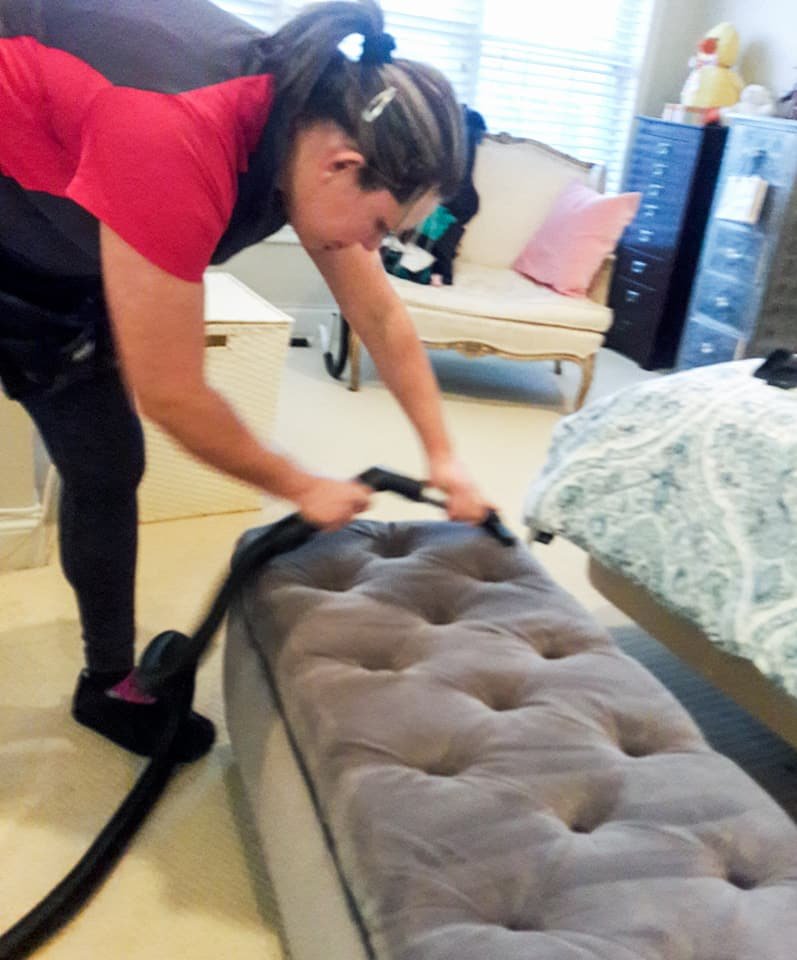

Most homeowners think a clean home is about wiping surfaces, vacuuming floors, and keeping things visually tidy. But in Northern Virginia homes, there’s a hidden factor quietly undoing all that effort: areas of the house that never fully dry.
These damp, slow-drying spaces don’t always look wet. They don’t always smell bad. Yet they quietly become magnets for dirt, residue, and long-term cleanliness problems—especially in Fairfax and Loudoun County homes.
Understanding where moisture lingers—and why it matters—can completely change how clean your home feels and how long it stays that way.
Why Drying Matters More Than Most Homeowners Realize
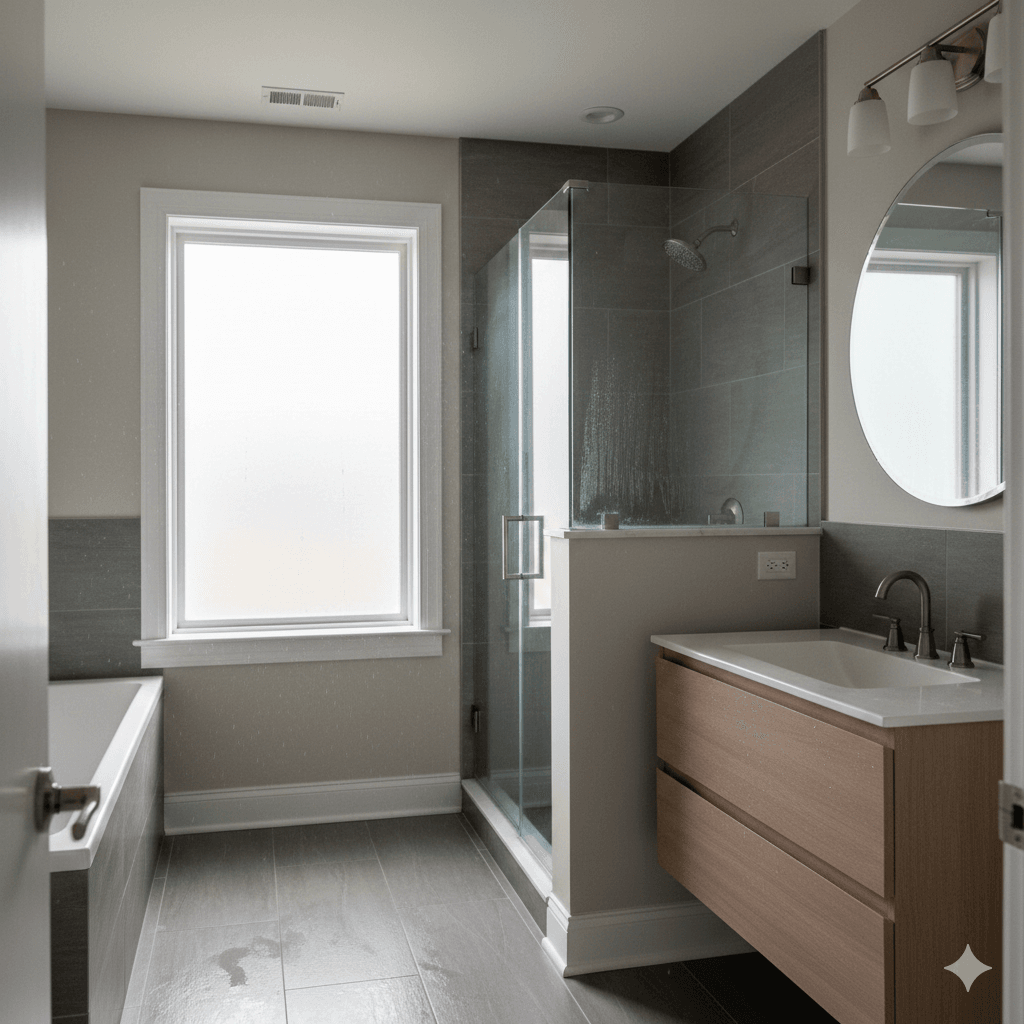
Moisture is the invisible partner of dirt.
Wherever moisture lingers, it allows:
- Dust to stick instead of lift
- Soap residue to bond to surfaces
- Grime to spread instead of wipe away
- Odors to settle into materials
In Northern Virginia’s humid climate, many parts of the home never fully dry between cleanings, creating the perfect conditions for recurring messes.
That’s why some areas always seem to get dirty faster—no matter how often you clean.
Northern Virginia Homes Are Especially Prone to Slow Drying
Homes in Fairfax and Loudoun County face a unique combination of factors:
- Seasonal humidity
- Tight modern construction
- Multi-level layouts
- Heavy HVAC use
- Frequent weather swings
All of this affects how air moves—and where moisture gets trapped.
Even newer homes aren’t immune. In fact, energy-efficient designs often reduce airflow, making moisture harder to eliminate.
Bathrooms: The Most Obvious—but Not the Only—Problem Area
Bathrooms are the most common moisture traps, but the problem goes deeper than most homeowners realize.
Why Bathrooms Don’t Fully Dry
- Steam from showers rises and spreads
- Vent fans often aren’t powerful enough
- Grout and caulk absorb moisture
- Water collects behind fixtures and toilets
Even if surfaces look dry, micro-moisture remains, allowing residue and buildup to return quickly.
This is why bathrooms often:
- Lose their “fresh clean” smell fast
- Develop soap scum rapidly
- Feel humid long after use
Under Sinks: Hidden Moisture Zones
Kitchen and bathroom cabinets under sinks are some of the slowest-drying spaces in the home.
Why?
- Minor leaks or condensation
- Poor airflow
- Dark, enclosed spaces
Moisture here attracts dust and causes sticky buildup that’s difficult to remove with regular cleaning.
Over time, this area becomes a source zone, spreading odors and grime outward.
Laundry Rooms: The Overlooked Damp Space
Laundry rooms combine:
- Heat
- Steam
- Lint
- Detergent residue
Dryers vent warm, moist air. Washers release humidity. Floors and walls absorb it.
In many Northern Virginia homes, laundry rooms are tucked into basements or interior spaces with limited ventilation—making them permanently slow to dry.
Basements: Clean, But Never Truly Dry
Basements are notorious for moisture—even when they don’t feel damp.
Concrete walls and floors naturally pull moisture from the ground. Add humidity and limited sunlight, and you get a space that rarely fully dries.
This leads to:
- Musty smells
- Dust sticking to surfaces
- Persistent grime along baseboards
- Faster re-soiling after cleaning
Entryways and Mudrooms: Moisture from the Outside In
In Northern Virginia, entryways quietly absorb:
- Rainwater
- Snow melt
- Humid summer air
- Dirt from shoes
Even after floors dry, moisture remains in mats, grout, trim, and corners—creating a sticky environment that grabs dirt fast.
Kitchens: Steam That Travels Farther Than You Think
Cooking releases moisture into the air—even without visible steam.
That moisture:
- Rises to upper cabinets
- Settles on light fixtures
- Clings to backsplashes and walls
In large open-concept homes, kitchen moisture spreads into living spaces, subtly affecting overall cleanliness.
HVAC Areas: Moisture You Never See
HVAC systems remove humidity—but they can also create moisture pockets.
Condensation forms near:
- Vents
- Returns
- Duct connections
Dust sticks to these damp areas, then gets redistributed throughout the home.
This is one of the biggest reasons dust returns quickly—even after cleaning.
Why Moisture Makes Dirt Harder to Remove
Dry dirt lifts easily. Moist dirt sticks.
When surfaces never fully dry:
- Dust bonds instead of settling loosely
- Residue smears instead of wiping clean
- Cleaning leaves streaks and dullness
This is why homeowners often say:
“I clean, but it never looks as clean as it should.”
The Psychological Effect of a Home That Never Feels Dry
Homes with lingering moisture often feel:
- Heavy
- Stale
- Slightly uncomfortable
Even if everything looks fine, your senses pick up on it.
Over time, this creates cleaning fatigue—where homeowners clean more but feel less satisfied.
Why DIY Cleaning Can’t Fix the Drying Problem
Most DIY cleaning focuses on surface appearance, not environmental conditions.
It doesn’t:
- Improve airflow
- Remove deep moisture residue
- Address hidden damp zones
- Reset moisture-affected surfaces
That’s why problems keep returning.
How Professional Cleaning Changes the Equation
Professional deep cleaning—like services provided by Cleaning Fairies VA—targets moisture-related buildup directly.
This includes:
- Removing residue that traps moisture
- Cleaning hard-to-reach damp areas
- Resetting surfaces so they dry faster
- Improving overall air freshness
Once moisture-related buildup is removed, routine cleaning becomes effective again.
When Homeowners Notice the Biggest Difference

After proper deep cleaning, homeowners often notice:
- Surfaces stay clean longer
- Bathrooms dry faster
- Odors disappear
- Air feels lighter
That’s not a coincidence—it’s moisture control through cleaning.
Final Thoughts
If parts of your home never seem to stay clean, moisture may be the real issue—not effort or frequency.
Northern Virginia homes are especially vulnerable to slow-drying spaces that quietly undermine cleanliness.
Understanding—and addressing—those areas is the key to a home that doesn’t just look clean, but feels clean every day.
FAQs
Limited airflow, humidity, and hidden moisture sources prevent certain areas from drying completely.
Yes. Moisture causes dust and residue to stick, making surfaces harder to keep clean.
Yes. The region’s humidity and home designs contribute to slow-drying areas.
Not fully. Deep cleaning is needed to reset moisture-affected surfaces.
Every 3–6 months, depending on home size and humidity exposure.