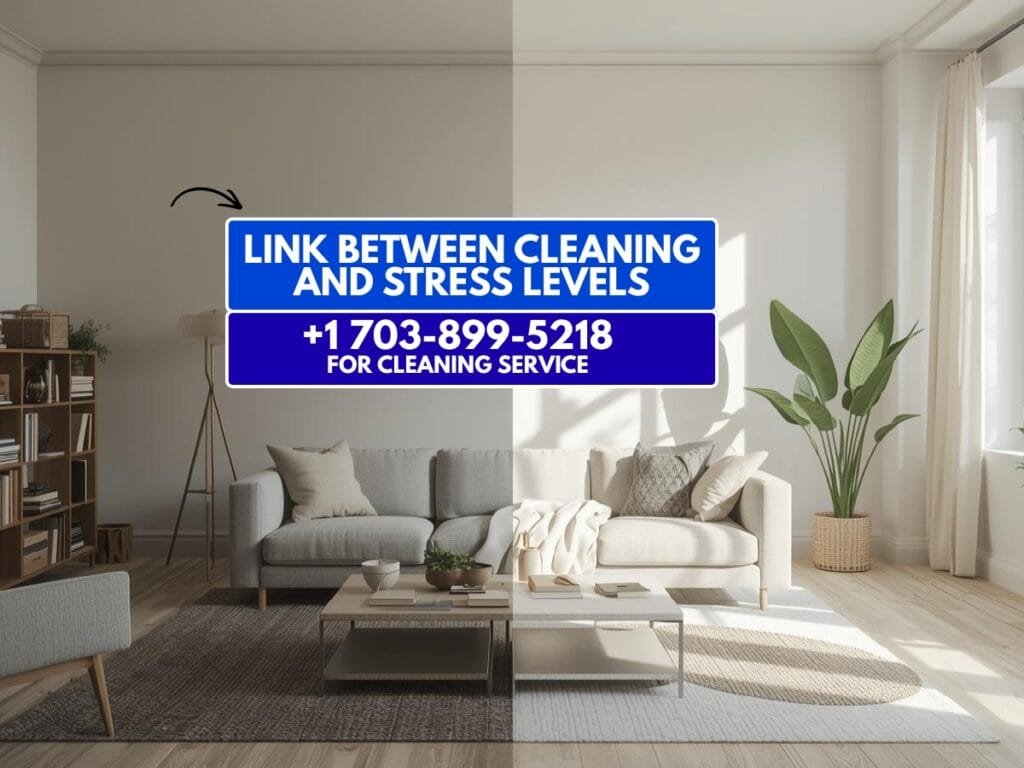
Most people think of cleaning as a chore.
Something you have to do.
Something that drains your energy.
But what if cleaning is silently shaping your stress levels, mood, focus, and emotional health—whether you realize it or not?
The truth is surprising:
A home doesn’t just hold furniture.
It holds mental weight.
And the way that space is cleaned—or not cleaned—can quietly increase stress every single day.
Let’s explore the hidden psychological, physical, and emotional connection between cleaning and stress—and why professional cleaning often feels like more than just a tidy home.
Stress Starts Where You Live
Your brain never truly “turns off” at home.
Even when you’re resting, your mind is constantly processing:
- Visual clutter
- Dust and air quality
- Smells and textures
- Disorganization
- Unfinished cleaning tasks
When a space isn’t properly cleaned, your brain interprets it as unfinished business.
That creates low-grade stress—the kind that doesn’t shout, but lingers.
Why Mess Triggers Stress (Even If You Ignore It)
Many people say:
“I don’t even notice the mess anymore.”
But your brain does.
Here’s what happens psychologically:
| Environmental Trigger | Brain Response |
| Visual clutter | Cognitive overload |
| Dust buildup | Subconscious discomfort |
| Sticky or grimy surfaces | Loss of control |
| Poor air quality | Fatigue and irritability |
| Unclean smells | Stress association |
Your mind constantly scans your environment for safety and order.
When order is missing, stress hormones subtly increase.
Cleaning Is Not Just Physical—It’s Neurological
Cleaning affects the brain in three major ways:
1️⃣ Visual Relief
Clean spaces reduce visual noise.
Less visual input = less mental processing.
2️⃣ Sense of Control
A clean environment restores control—something stress actively takes away.
3️⃣ Dopamine Response
Completing cleaning tasks releases dopamine, the “reward” chemical.
But here’s the problem…
Why DIY Cleaning Often Doesn’t Reduce Stress
DIY cleaning should help—but for many people, it actually increases stress.
Why?
Because DIY cleaning often brings:
✖ Time pressure
✖ Physical exhaustion
✖ Decision fatigue
✖ Incomplete results
✖ Frustration when dirt returns quickly
Instead of relief, many people feel:
“I cleaned… so why doesn’t it feel clean?”
That mental mismatch creates stress instead of calm.
The Stress Factor No One Talks About: Residue
Most store-bought cleaning products leave behind:
- Sticky films
- Fragrance buildup
- Dust-attracting residue
This causes surfaces to:
- Look dirty faster
- Feel unpleasant
- Smell artificially “masked”
Your brain picks up on this.
Artificial cleanliness never equals mental calm.
Air Quality: The Invisible Stress Trigger
Dirty homes don’t just look uncomfortable—they breathe differently.
Dust, pet dander, pollen, and debris circulate through:
- Air vents
- Ceiling fans
- Upholstery
- Carpets
- Window tracks
Poor indoor air quality leads to:
- Headaches
- Brain fog
- Poor sleep
- Heightened anxiety
Even mild breathing discomfort keeps your nervous system alert.
Stress Lives in the Places You Don’t See
Most stress-causing dirt hides in areas people rarely clean properly:
✦ Baseboards
✦ Under beds
✦ Window tracks
✦ Light fixtures
✦ Behind furniture
✦ Air returns
These areas continuously reintroduce dust into the home, creating a cycle that DIY cleaning struggles to break.
Why Professionally Cleaned Homes Feel “Different”
People often say:
“I don’t know why, but it feels lighter.”
That feeling isn’t imaginary.
Professional cleaning reduces stress because it:
✔ Removes dirt at the source
✔ Eliminates residue instead of masking it
✔ Improves airflow and freshness
✔ Restores visual order fully
✔ Removes mental “to-do” weight
The result is neurological calm, not just surface-level cleanliness.
he Cognitive Load of Cleaning Decisions
DIY cleaning requires constant mental effort:
- What product to use
- What order to clean in
- What to skip
- What to redo
- What still feels unfinished
This creates decision fatigue, which directly increases stress.
Professional cleaning removes all of that.
You don’t think.
You don’t decide.
You just breathe.
leep, Stress, and Cleanliness
A clean home directly affects sleep quality.
Why?
- Less dust = better breathing
- Neutral scents = deeper relaxation
- Clear surfaces = calmer mind
Bedrooms especially benefit from deep, residue-free cleaning.
Better sleep = lower cortisol = reduced stress.
Families, Pets, and Emotional Load
Homes with children or pets carry extra emotional pressure.
Parents often feel:
- Guilt about mess
- Stress about hygiene
- Overwhelm from constant cleaning
Professional cleaning helps reduce emotional labor, not just dirt.
It gives families back:
✓ Time
✓ Energy
✓ Mental clarity
Time Stress vs. Cleanliness Stress
Time is one of the biggest stress factors in modern life.
DIY cleaning often competes with:
- Work
- Family
- Rest
- Personal time
When cleaning steals rest, stress multiplies.
Professional cleaning creates time relief, which is one of the strongest stress reducers available.
Cleanliness and Emotional Reset
A professionally cleaned home often triggers:
✔ Motivation
✔ Focus
✔ Calm
✔ Emotional reset
Many people notice they:
- Work better
- Relax faster
- Argue less
- Feel more present
That’s not coincidence—it’s environmental psychology.
Why “Good Enough” Cleaning Keeps Stress Alive
Partial cleaning creates mental friction.
Your brain notices:
- Uneven results
- Missed spots
- Lingering dust
- Artificial scents
That lingering awareness keeps stress active in the background.
True calm comes from completion, not effort.
A Clean Home Is a Nervous System Signal
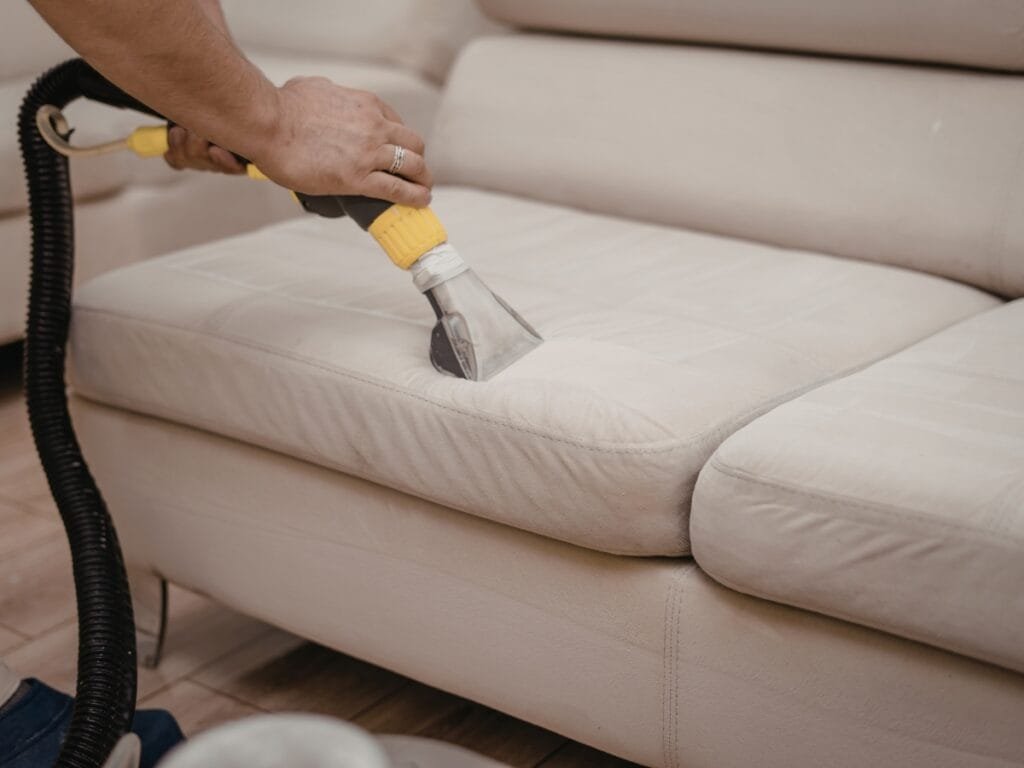
Your environment constantly sends signals to your nervous system.
A professionally cleaned home tells your brain:
“You’re safe.”
“You can rest.”
“Nothing needs fixing right now.”
That message lowers stress more effectively than willpower ever could.
Final Thoughts
Cleaning isn’t just about appearance.
It’s about:
- Mental clarity
- Emotional balance
- Physical comfort
- Stress reduction
When done deeply and correctly, cleaning becomes a form of environmental therapy.
And that’s why professional cleaning doesn’t just change homes—it changes how people feel inside them.
FAQs
Yes. Visual clutter, dust, and unfinished cleaning tasks trigger subconscious stress responses in the brain.
Because it removes residue, improves air quality, and eliminates mental effort—not just visible dirt.
Absolutely. Clean environments are linked to lower anxiety, better sleep, and improved focus.
Yes. Cleaner air, fewer allergens, and visual calm help the brain relax before sleep.
Yes. Many people report feeling calmer, lighter, and more mentally clear after a professional clean.