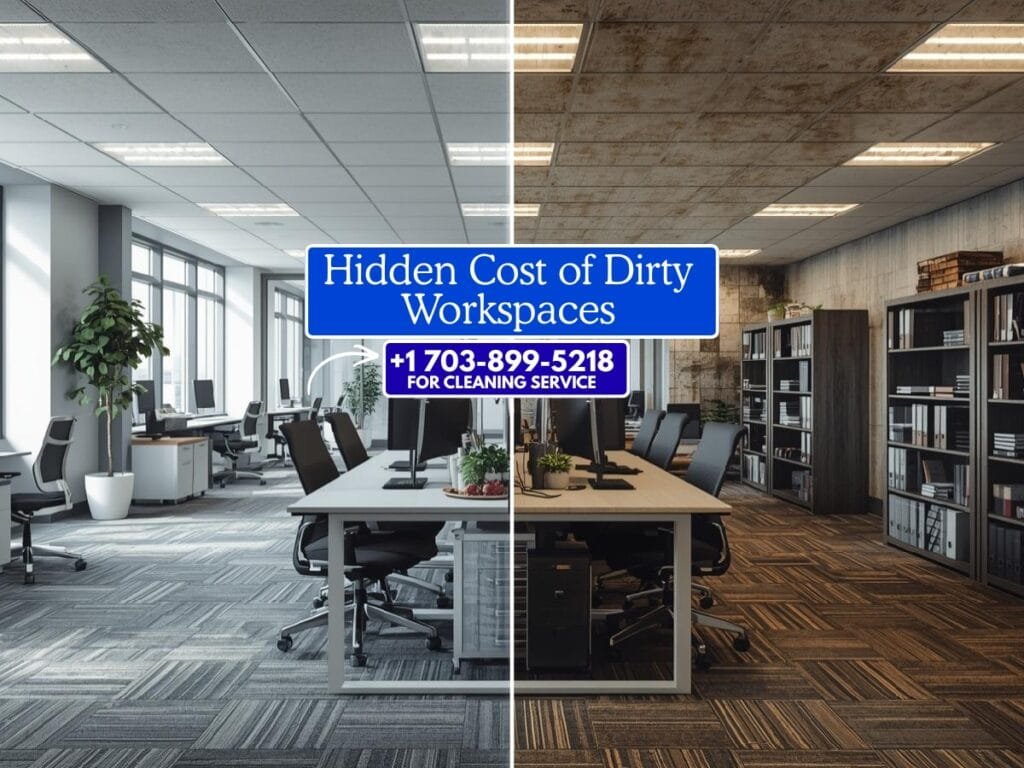
When businesses plan their annual budgets, they account for rent, payroll, utilities, software, insurance, and marketing. What almost never appears as a line item is the true cost of an unclean workspace.
Not because leaders don’t care about cleanliness—but because the damage caused by dirty offices, retail spaces, and commercial buildings is rarely immediate, obvious, or easy to measure.
Yet, year after year, businesses quietly lose money due to neglected cleaning. The losses show up in reduced productivity, higher employee turnover, equipment damage, health issues, failed inspections, and weakened client trust. These are not cosmetic problems. They are operational ones.
At Cleaning Fairies VA, we work with businesses across Northern Virginia and see this pattern repeatedly. Companies believe they are saving money by minimizing professional cleaning, while in reality, they are absorbing hidden costs that never appear on spreadsheets—but deeply affect performance and profitability.
This article breaks down those hidden costs and explains why dirty workspaces are far more expensive than most businesses realize.
The Illusion of Cost Savings
Many businesses reduce cleaning frequency as a cost-cutting measure. On paper, the savings look simple: fewer service hours, lower monthly invoices.
But cleanliness doesn’t work like a subscription you can pause without consequences. Dirt, dust, and bacteria don’t remain neutral when ignored. They accumulate, spread, and compound.
The result is a growing list of indirect costs that slowly outweigh any short-term savings.
Productivity Loss: The Cost You Never See on Reports
Employees don’t work in isolation from their environment. Workspace conditions directly affect focus, motivation, and efficiency.
Dirty workspaces cause:
- Increased distractions
- Lower concentration levels
- Subtle stress and discomfort
- Reduced motivation
Dusty desks, cluttered break rooms, dirty restrooms, and grimy floors create constant micro-irritations. Employees may not complain, but productivity drops quietly.
Studies consistently show that clean, organized work environments improve cognitive performance. When cleaning is neglected, businesses unknowingly pay for lost output every single day.
Sick Days and Health-Related Absences
One of the most expensive consequences of poor cleaning is employee illness.
Dust and grime contain:
- Bacteria
- Allergens
- Mold spores
- Viruses on high-touch surfaces
In shared spaces like offices, clinics, retail stores, and warehouses, these contaminants spread rapidly.
The hidden costs include:
- Increased sick leave
- Lower staffing efficiency
- Disrupted workflows
- Overtime expenses to cover absences
Professional commercial cleaning reduces germ transmission, improves air quality, and directly lowers health-related downtime.
Indoor Air Quality and Long-Term Health Impact
Indoor air quality is often overlooked, yet it plays a major role in employee well-being.
In dirty workspaces:
- Dust circulates through HVAC systems
- Allergens remain suspended in the air
- Mold grows unnoticed in damp areas
Poor air quality causes headaches, fatigue, respiratory irritation, and allergy flare-ups. These symptoms don’t always lead to sick days—but they reduce performance and morale over time.
At Cleaning Fairies VA, we frequently find that businesses experiencing unexplained discomfort or low energy improve significantly after consistent professional cleaning restores air quality.
Employee Morale and Retention Costs
A dirty workplace sends an unspoken message: “This environment is not a priority.”
Employees interpret cleanliness as a reflection of how much a company values them.
Neglected spaces lead to:
- Lower morale
- Reduced pride in the workplace
- Higher turnover
Replacing employees is expensive. Recruitment, onboarding, and training costs far exceed the cost of regular professional cleaning.
Clean workspaces support retention by creating an environment employees want to stay in.
Client Perception and Lost Revenue
Clients, customers, and partners notice cleanliness instantly.
Dirty floors, dusty shelves, streaked glass, or unpleasant odors damage credibility before a single conversation begins. Even when services or products are excellent, poor cleanliness erodes trust.
Lost opportunities include:
- Missed sales
- Reduced repeat business
- Negative word-of-mouth
- Lower brand perception
These losses rarely get traced back to cleaning—but they absolutely should.
Compliance Failures and Legal Risk
Many industries are subject to cleanliness and sanitation standards.
These include:
- Healthcare facilities
- Childcare centers
- Food service businesses
- Fitness studios
- Government and corporate offices
Failing inspections due to poor cleaning can result in:
- Fines and penalties
- Temporary shutdowns
- Reputational damage
Emergency deep cleaning after a failed inspection costs significantly more than routine maintenance cleaning.
Accelerated Wear and Tear on Assets
Dirt is abrasive. Dust damages surfaces over time.
Without professional cleaning:
- Carpets degrade faster
- Hard floors lose finish
- Furniture fabrics wear prematurely
- Electronics collect damaging particles
Replacing or repairing assets is far more expensive than maintaining them.
Professional cleaning extends the life of:
- Flooring
- Upholstery
- Fixtures
- Office equipment
This protection alone often justifies the investment.
Equipment and Technology Damage
Modern workplaces rely heavily on technology.
Dust buildup affects:
- Computers and servers
- Printers and copiers
- HVAC systems
- Electrical components
Over time, dust causes overheating, malfunctions, and costly repairs. Many businesses never connect these failures to poor cleaning, yet the link is strong.
Professional cleaning targets these high-risk zones safely and effectively.
Emergency Cleaning Costs
When cleaning is neglected long enough, businesses are forced into emergency solutions.
These situations include:
- Client visits after long neglect
- Failed inspections
- Odor complaints
- Visible grime buildup
Emergency cleaning services cost more, disrupt operations, and often require downtime.
Routine commercial cleaning prevents these crises entirely.
The False Economy of “We’ll Clean Internally”
Many businesses assign cleaning duties to staff to save money.
This creates hidden costs:
- Reduced employee productivity
- Inconsistent cleaning quality
- Improper use of cleaning products
- Safety risks
Employees are not trained cleaners. They lack the tools, time, and expertise to clean effectively without sacrificing their primary responsibilities.
Professional cleaning eliminates this inefficiency.
The Mental Load of Dirty Spaces
Dirty workspaces create mental clutter.
Employees subconsciously register disorder, which:
- Increases stress
- Reduces focus
- Lowers satisfaction
Clean environments support clarity and calm, improving decision-making and collaboration.
Brand Reputation and Long-Term Impact
Cleanliness shapes brand perception more than businesses realize.
A clean workspace communicates:
- Professionalism
- Attention to detail
- Reliability
- Trustworthiness
Dirty spaces quietly undermine branding efforts, no matter how polished marketing materials may be.
Why These Costs Never Appear in Budgets
The hidden costs of dirty workspaces are rarely categorized as “cleaning failures.”
They show up as:
- Higher turnover
- Lower productivity
- Equipment repairs
- Missed revenue
- Compliance issues
Because they’re spread across departments, leaders often fail to see the root cause.
Commercial Cleaning as Risk Management
Professional cleaning is not an expense—it’s risk management.
It protects:
- People
- Property
- Productivity
- Reputation
At Cleaning Fairies VA, we help businesses prevent problems rather than react to them.
What Strategic Commercial Cleaning Looks Like
Effective commercial cleaning includes:
- Consistent schedules
- Focus on high-touch areas
- Air quality awareness
- Floor and surface preservation
- Industry-specific protocols
This approach eliminates hidden costs before they grow.
Why Northern Virginia Businesses Face Higher Risk
Northern Virginia businesses operate in environments with:
- Heavy traffic pollution
- Ongoing construction
- Seasonal allergens
- High employee density
These factors accelerate dirt accumulation and make professional cleaning even more critical.
The Real ROI of Professional Cleaning
When businesses invest in proper cleaning, they gain:
- Healthier employees
- Stronger client confidence
- Longer asset lifespan
- Fewer disruptions
- Better workplace culture
These returns far exceed the monthly cost of professional service.
Final Thoughts
Dirty workspaces don’t just look bad. They quietly drain money, energy, and opportunity from businesses every day.
The most dangerous costs are the ones no one tracks—lost productivity, declining morale, damaged reputation, and preventable repairs.
Professional commercial cleaning addresses these issues at the source. At Cleaning Fairies VA, we believe cleaning is not a cosmetic service. It’s a strategic investment in business performance.
Ignoring it is no longer affordable.
FAQs
They reduce productivity, increase sick days, damage assets, and harm client perception—all of which cost more than cleaning.
Yes. Clean environments support focus, health, and morale, directly improving productivity.
Frequency depends on traffic and industry, but most benefit from weekly or daily cleaning.
Absolutely. It prevents long-term damage, reduces risk, and supports business growth.
Professionals use trained methods, proper equipment, and consistent processes that internal staff cannot match.