
In many Northern Virginia homes, arguments don’t start over big things. They don’t erupt because of finances, schedules, or major life decisions. Instead, tension builds quietly, invisibly, over something far smaller and far more common: dust, dirt, and mess that no one talks about—but everyone feels.
This is the dust you don’t argue about.
It settles into corners, carpets, vents, and routines. It doesn’t scream for attention. It doesn’t trigger immediate complaints. But over time, it affects moods, relationships, energy levels, and mental health in ways most homeowners never connect back to cleanliness.
At Cleaning Fairies VA, we’ve seen this pattern across Northern Virginia homes again and again. Families feel irritable. Couples feel frustrated. Parents feel overwhelmed. And yet no one can quite explain why the house never feels peaceful—even when it looks “fine.”
This blog explores how hidden dirt quietly creates emotional tension inside homes, why Northern Virginia households are especially vulnerable, and how professional cleaning restores not just cleanliness—but calm.
The Invisible Weight of a Home That’s Never Truly Clean
Most homeowners don’t live in visibly dirty homes. Floors may be vacuumed. Counters wiped. Beds made. On the surface, everything appears under control.
Yet there’s a difference between looking clean and feeling clean.
Hidden dust and grime accumulate in places we rarely inspect:
- Baseboards and door frames
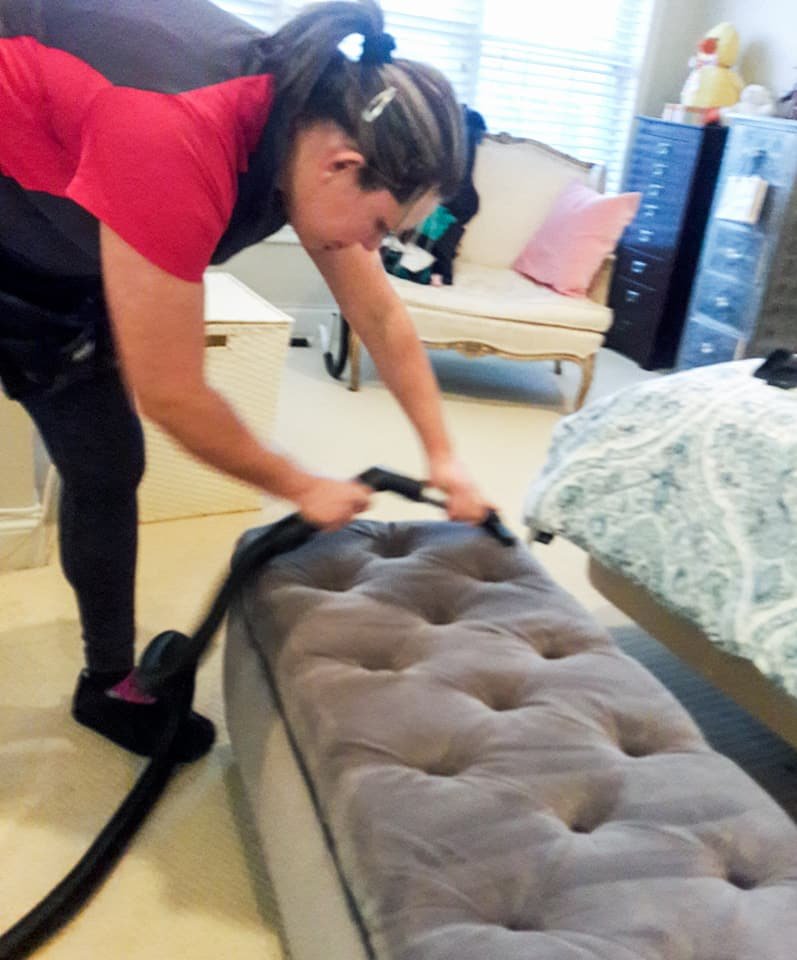
- Upholstered furniture
- Carpets and rugs
- Air vents and HVAC systems
- Bathroom grout and tile seams
- Behind appliances and furniture
Because this dirt isn’t obvious, it doesn’t prompt immediate action. Instead, it creates a low-level sense of discomfort—something feels off, but no one can pinpoint why.
That discomfort slowly turns into tension.
Why Northern Virginia Homes Are Especially Affected
Northern Virginia presents unique conditions that make hidden dirt more impactful than homeowners realize.
First, busy lifestyles dominate daily routines. Long commutes, demanding careers, school activities, and social obligations leave little time or energy for deep cleaning. Cleaning becomes surface-level by necessity, not choice.
Second, seasonal changes track dirt indoors constantly. Pollen in spring, humidity in summer, leaves and debris in fall, and salt and moisture in winter all contribute to buildup inside homes.
Third, high indoor occupancy plays a role. Many Northern Virginia homes are active spaces with children, pets, guests, and work-from-home setups. The more a space is lived in, the faster invisible dirt accumulates.
These factors combine to create homes that are maintained—but not restored.
The Psychology of Unspoken Mess
Here’s what most people don’t realize: humans are extremely sensitive to environmental cues, even when we aren’t consciously aware of them.
Hidden dirt affects us psychologically in subtle but powerful ways.
When dust builds up, it:
- Signals unfinished tasks to the brain
- Creates visual and sensory “noise”
- Reduces feelings of control
- Increases mental fatigue
Over time, this leads to irritability, shorter patience, and emotional friction.
And because the dirt is subtle, people don’t say, “I’m upset because the baseboards are dusty.” Instead, they snap over unrelated issues, withdraw emotionally, or feel constantly on edge.
This is how dust becomes tension—without ever becoming a topic of conversation.
The Cleaning Responsibility Gap
In many households, cleaning responsibilities are uneven—even when no one intends them to be.
One person may notice grime more quickly. Another may genuinely not see it anymore. This creates what psychologists call perceptual mismatch.
One person thinks, “The house is fine.”
Another thinks, “Why am I the only one noticing this?”
Over time, this mismatch breeds resentment—not because of laziness, but because of different thresholds for cleanliness.
Hidden dirt amplifies this gap. When mess isn’t obvious, it’s easy for one person to feel unheard or dismissed, while the other feels unfairly criticized.
Professional cleaning neutralizes this conflict by removing the dirt entirely—eliminating the debate.
Clean Blindness and Emotional Burnout
Many Northern Virginia homeowners suffer from what can be called clean blindness.
Clean blindness happens when people become so accustomed to a certain level of dirt that they stop noticing it altogether. The brain filters it out as background information.
But just because you don’t consciously see it doesn’t mean your nervous system ignores it.
Subtle environmental stressors accumulate and contribute to:
- Decision fatigue
- Reduced motivation
- Emotional exhaustion
- Increased anxiety
This is why people often feel calmer immediately after a deep professional cleaning—even before they consciously notice what changed.
The environment finally stops demanding mental energy.
How Hidden Dirt Impacts Family Dynamics
Hidden dirt doesn’t just affect individuals—it affects relationships.
Parents may feel overwhelmed without knowing why. Children may act more restless or distracted. Couples may experience low-level friction that seems to come out of nowhere.
A home that isn’t truly clean can feel:
- Heavier
- Less welcoming
- More chaotic
- Emotionally draining
At Cleaning Fairies VA, we often hear clients say things like, “I didn’t realize how stressed I was until the house felt different.”
That difference isn’t just visual—it’s emotional.
The False Comfort of “Good Enough” Cleaning
Many homeowners rely on quick resets: wiping counters, running the vacuum, lighting a candle. These actions help—but only temporarily.
They mask symptoms without addressing the cause.
Over time, “good enough” cleaning becomes a coping mechanism rather than a solution. Homes never fully reset. Dirt accumulates quietly. Stress becomes normalized.
This cycle leads to:
- Chronic dissatisfaction with the home
- Guilt about not cleaning “better”
- Avoidance of hosting guests
- Emotional fatigue tied to the living space
Professional cleaning breaks this cycle by restoring a baseline that daily tidying can actually maintain.
Why Professional Cleaning Changes the Emotional Atmosphere
Professional cleaning isn’t just about effort—it’s about access.
Professional teams reach areas homeowners don’t:
- Deep carpet fibers
- Upholstery padding
- Baseboards and trim
- Vent covers and airflow paths
- Tile grout and hidden moisture zones
By removing dirt from these areas, professional cleaning resets the environment on a deeper level.
Clients often report:
- Improved sleep
- Better focus
- Reduced tension
- A stronger sense of peace at home
This isn’t coincidence. It’s environmental psychology in action.
The Role of Cleaning Fairies VA in Restoring Balance
At Cleaning Fairies VA, we don’t approach cleaning as a checklist. We approach it as home restoration.
We understand Northern Virginia homes, lifestyles, and stress patterns. Our goal isn’t just to make your home look clean—it’s to help it feel lighter, calmer, and more supportive of daily life.
By addressing hidden dirt, we help remove:
- Background stress
- Unspoken resentment
- Mental clutter
- Emotional fatigue
Our clients often tell us their home feels “different” afterward. More breathable. More peaceful. More theirs.
Why a Truly Clean Home Reduces Household Conflict
When a home is deeply clean:
- No one feels silently responsible
- No one feels judged
- No one feels overwhelmed by invisible tasks
The environment stops contributing to emotional friction.
Professional cleaning becomes a neutral third party—removing dirt without blame, guilt, or argument.
The Long-Term Impact of Ignoring Hidden Dirt
Left unaddressed, hidden dirt doesn’t just create tension—it compounds it.
Over time, it can contribute to:
- Worsening allergies
- Poor indoor air quality
- Increased illness
- Higher stress levels
- Reduced quality of life
What begins as “just dust” slowly becomes a health and emotional issue.
Choosing Peace Over Perfection
A clean home doesn’t have to be perfect. But it does need to be truly clean.
There’s a difference between chasing unrealistic standards and creating a supportive environment. Professional cleaning isn’t about perfection—it’s about relief.
Relief from tension. Relief from mental noise. Relief from the dust you never argued about but always felt.
Final Thoughts
The dust you don’t argue about may seem insignificant—but its impact isn’t.
Hidden dirt quietly affects mood, relationships, stress levels, and overall well-being. In Northern Virginia’s fast-paced lifestyle, these effects are magnified.
At Cleaning Fairies VA, we believe a clean home should give back to you—not drain you. By removing hidden dirt, we help restore balance, comfort, and peace where it matters most.
Because sometimes, the biggest source of tension isn’t what you’re arguing about—it’s what you’ve stopped noticing.
Hidden dust collects in carpets, vents, furniture, and fabrics, contributing to allergies, stress, and declining indoor air quality.
Yes, prolonged exposure to dusty environments can subtly increase irritability, fatigue, and discomfort inside the home.
Surface cleaning misses deep-set dust trapped in upholstery, carpets, and ventilation systems.
Most homes benefit from professional deep cleaning every 4–8 weeks, especially those with pets or allergies.
Cleaning Fairies VA uses HEPA filtration, deep-surface techniques, and eco-safe products to target dust beyond visible surfaces.