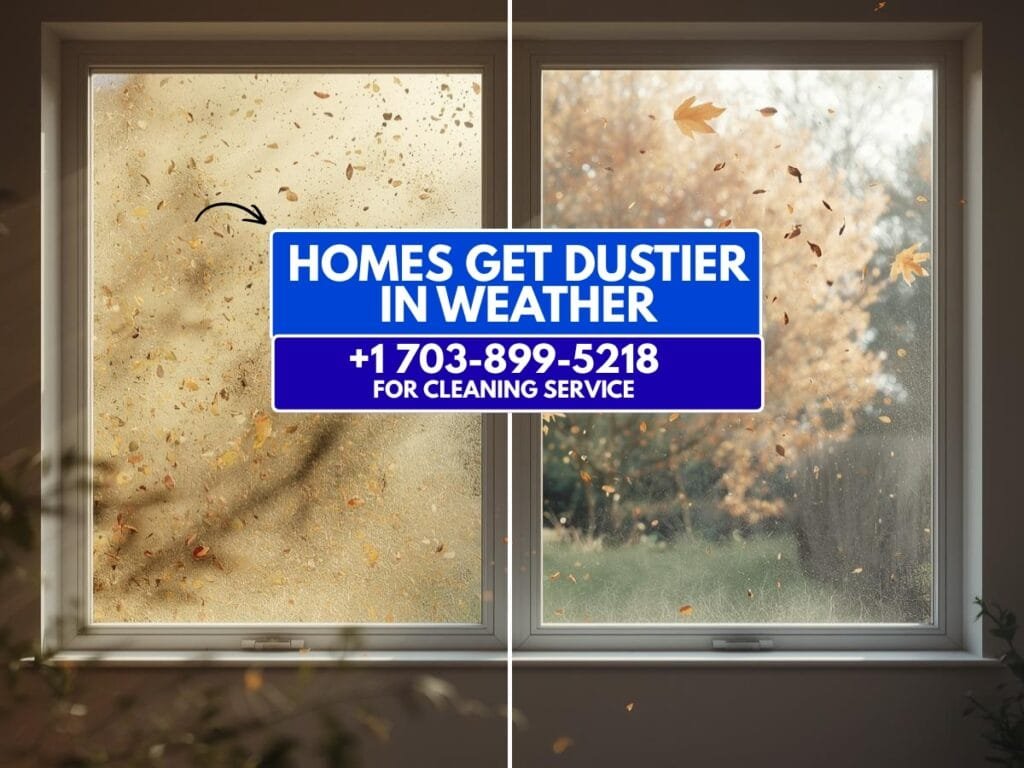
If your home suddenly feels dustier every time the seasons change, you’re not imagining it.
Many homeowners notice a frustrating pattern: just when the weather shifts—from winter to spring, summer to fall, or fall to winter—dust seems to appear everywhere. Floors look dull faster, surfaces feel gritty, and no matter how often you clean, the dust keeps coming back.
This isn’t coincidence. Weather transitions create the perfect conditions for dust buildup inside homes.
At Cleaning Fairies VA, we regularly see increased dust complaints during seasonal changes. Understanding why this happens is the first step toward controlling it—and preventing that constant “why is my house already dusty?” feeling.
What Dust Really Is (And Why It Multiplies)
Dust isn’t just dirt. It’s a complex mixture of:
- Skin cells
- Fabric fibers
- Outdoor pollen and soil
- Pet dander
- Mold spores
- Tiny particles from shoes and clothing
When weather changes, the movement of air, moisture, and human activity intensifies—pulling more of these particles into your home and keeping them suspended longer.
Weather Transitions Disrupt Indoor Balance
Homes thrive on stability. Weather transitions disrupt that balance in several key ways:
- Temperature fluctuations
- Changes in humidity
- Increased airflow
- More frequent door and window use
Each of these factors contributes to higher dust levels—especially when combined.
How Seasonal Airflow Pulls Dust Inside
During weather transitions, people naturally adjust their living habits:
- Opening windows on warm afternoons
- Closing them quickly during cold nights
- Switching between heating and cooling systems
This constant change creates airflow turbulence that pulls dust from outside and redistributes dust already inside.
Every open door and window introduces:
- Outdoor pollen
- Road dust
- Construction debris
- Dry soil particles
Once inside, these particles settle on surfaces—or get caught in airflow loops.
HVAC System Changes Stir Up Dust
One of the biggest reasons homes get dustier during weather changes is HVAC usage.
When systems switch:
- From heating to cooling
- From cooling to heating
Dust that has settled in:
- Ductwork
- Vents
- Returns
gets disturbed and redistributed throughout the home.
If ducts haven’t been cleaned recently, this can feel like dust appearing overnight.
At Cleaning Fairies VA, we often notice that homes with otherwise good cleaning habits still experience dust surges simply because seasonal HVAC changes mobilize hidden buildup.
Humidity Swings Make Dust Stick Around
Weather transitions often bring unpredictable humidity levels.
Low humidity:
- Causes dust to stay airborne longer
- Allows particles to travel further
- Makes surfaces attract dust faster
High humidity:
- Makes dust heavier
- Causes it to cling to surfaces
- Creates residue buildup
Both extremes increase visible dust—and make cleaning feel less effective.
Dry Air Creates More Floating Dust
During colder months or transitional periods, indoor air becomes drier.
Dry air:
- Reduces particle weight
- Increases static electricity
- Allows dust to float and resettle repeatedly
This is why you may dust a surface, only to see it dusty again the next day.
Seasonal Clothing and Fabric Changes Add Dust
Weather transitions bring out:
- Heavier clothing
- Blankets and throws
- Rugs and curtains
- Seasonal décor
These fabrics shed fibers constantly, contributing to indoor dust levels.
Storing, unpacking, or rotating seasonal items releases months of trapped dust into the air—often all at once.
Increased Indoor Activity During Transitions
During transitional weather, people spend more time moving between indoors and outdoors.
That means:
- More shoes tracking in debris
- More doors opening and closing
- More dust brought in on clothing
Even small changes in routine can significantly impact dust accumulation.
Why Dust Settles Faster on Certain Surfaces
Not all surfaces attract dust equally.
Dust accumulates faster on:
- Flat surfaces
- Dark furniture
- Electronics
- Baseboards and trim
These surfaces create visual contrast, making dust more noticeable—especially during weather changes when dust levels spike.
The Hidden Areas That Make Dust Feel Endless
Many homeowners clean visible areas regularly but overlook hidden zones that quietly release dust back into the home.
✦ Air vents and returns
✦ Baseboards and door frames
✦ Window tracks and sills
✦ Under beds and furniture
✦ Ceiling fans and light fixtures
When these areas aren’t cleaned, they act as dust reservoirs.
At Cleaning Fairies VA, addressing these zones is critical for preventing recurring dust—especially during seasonal shifts.
Why DIY Cleaning Struggles During Weather Changes
DIY cleaning works best when dust levels are stable.
During weather transitions:
- Dust enters faster than it’s removed
- Incomplete cleaning allows buildup to circulate
- Residue from household cleaners attracts more dust
This creates a frustrating loop:
Clean → Dust returns → Clean again → Still dusty
Residue: The Silent Dust Magnet
Many household cleaning products leave behind:
- Sticky films
- Fragrance residue
- Static-attracting layers
These residues act like magnets for dust—especially in dry or fluctuating humidity conditions.
Professional cleaning uses controlled, residue-free solutions that prevent this cycle.
Why Professional Cleaning Makes a Bigger Difference Seasonally
Professional cleaning doesn’t just remove visible dust—it resets the environment.
Professional methods:
✓ Remove dust at its source
✓ Clean airflow-impacting areas
✓ Prevent residue buildup
✓ Reduce dust redistribution
This is why many clients schedule seasonal cleaning with Cleaning Fairies VA—to stay ahead of dust before it becomes overwhelming.
The Mental Impact of Seasonal Dust
Dust isn’t just physical—it’s psychological.
Increased dust leads to:
- Visual clutter
- A feeling of constant mess
- Reduced relaxation
- Higher stress levels
Even subconsciously, dust signals disorder to the brain.
A cleaner home supports:
- Calm
- Focus
- Emotional balance
Why Dust Feels Worse During Seasonal Transitions
Dust feels more frustrating during transitions because:
- You clean more often with less result
- Weather already feels unstable
- Routines are disrupted
This combination makes dust feel relentless—even when it’s temporary.
How to Reduce Seasonal Dust Buildup
While dust can’t be eliminated entirely, it can be controlled.
Helpful habits include:
- Removing shoes at entryways
- Cleaning vents and returns
- Using microfiber cloths
- Avoiding residue-heavy products
- Scheduling deep cleaning during seasonal shifts
Professional cleaning provides the strongest reset.
Seasonal Cleaning as Preventive Maintenance
Think of seasonal cleaning as maintenance—not repair.
Cleaning during weather transitions:
- Prevents buildup from spreading
- Protects indoor air quality
- Makes regular cleaning easier
- Reduces long-term frustration
This proactive approach is why seasonal cleanings are so effective.
Why Homes Feel Calmer After Seasonal Professional Cleaning
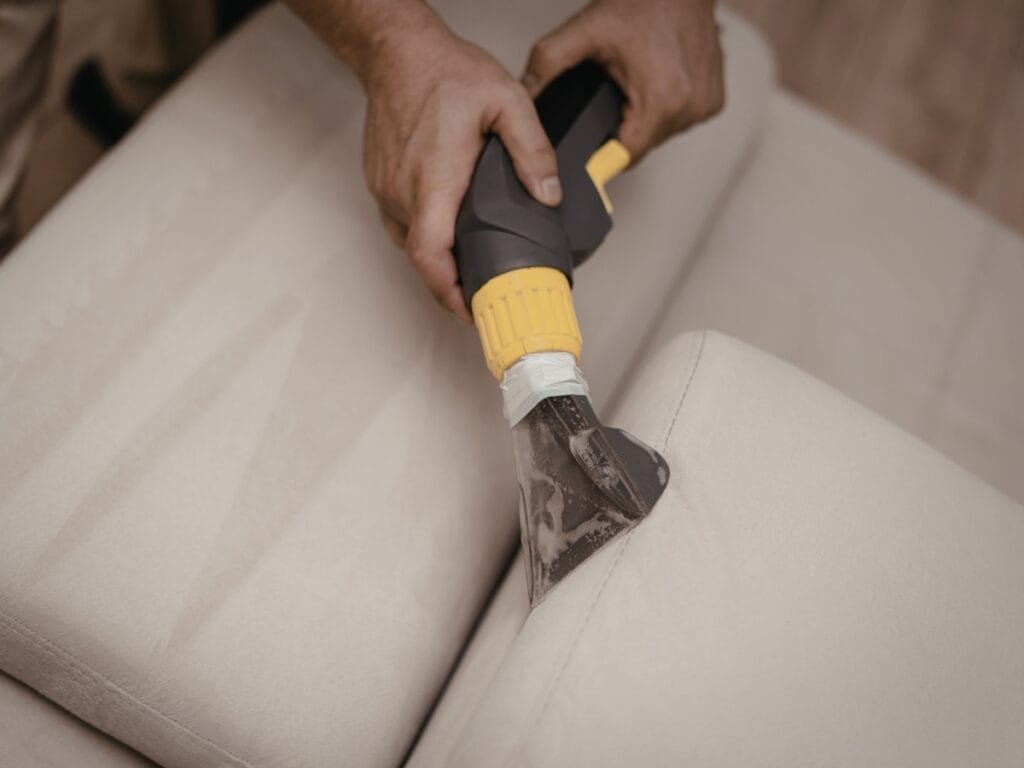
Clients often describe their homes as:
- Lighter
- Fresher
- Easier to maintain
That’s because professional cleaning removes the cause of recurring dust—not just the symptom.
Why Weather Transitions Are the Best Time to Deep Clean
Rather than waiting until dust becomes visible everywhere, cleaning during transitions stops problems early.
This timing:
- Prevents buildup from settling
- Supports HVAC efficiency
- Improves air quality
- Reduces stress
Final Thoughts
Homes don’t get dustier for no reason.
Weather transitions change airflow, humidity, routines, and indoor balance—creating ideal conditions for dust accumulation.
Understanding this helps homeowners stop blaming themselves and start managing dust more effectively.
With the right approach—and professional support when needed—seasonal dust doesn’t have to take over your home.
At Cleaning Fairies VA, we help homes stay comfortable, clean, and balanced—even when the weather can’t decide what it wants to do.
FAQs
Seasonal transitions increase airflow, disturb HVAC systems, and introduce outdoor particles, all of which raise indoor dust levels.
Yes. Open windows allow pollen, soil, and outdoor debris to enter, especially during spring and fall transitions.
Yes. Switching between heating and cooling can stir up dust trapped in ducts and vents, redistributing it throughout the home.
Humidity changes, residue from cleaners, and hidden dust reservoirs cause dust to resettle faster during seasonal shifts.
Absolutely. Professional cleaning removes dust from hidden areas and prevents residue buildup, helping homes stay cleaner longer during seasonal changes.