Summer is a season many of us look forward to — longer days, warm weather, and time spent outdoors. But for millions of homeowners in Northern Virginia, summer also brings allergy season. Pollen, dust, mold spores, and other allergens can infiltrate your home, leaving you sneezing, itchy-eyed, and uncomfortable. While spending time outdoors contributes to allergy symptoms, your home environment plays a critical role in how severe your reactions become.
At Cleaning Fairies VA, we help homeowners maintain clean, allergen-reduced spaces to ensure indoor air quality stays high, and your home remains a calm, healthy sanctuary. In this guide, we’ll explore why allergens accumulate indoors, the connection between cleaning and allergy relief, and practical cleaning strategies you can implement today.
Why Summer Allergies Can Be Worse Indoors
Many people assume allergies are only a problem outdoors, but studies show that indoor air quality can sometimes worsen symptoms. During summer:
- Windows are often open for ventilation, letting pollen and dust enter.
- High humidity can encourage dust mites, mold, and mildew growth.
- Air conditioning systems circulate allergens if ducts, filters, or vents are dirty.
- Pets bring pollen and dust indoors after spending time outside.
Even if you vacuum regularly, allergens can settle into carpets, upholstery, drapes, and bedding. Without proper cleaning strategies, your home becomes a continuous source of allergy triggers.
1. Start With Air Filters and Air Quality
Your HVAC system plays a huge role in your indoor air quality. During summer, your AC system constantly circulates air, meaning dirty filters and ducts can spread pollen, dust, and pet dander throughout your home.
Tips from Cleaning Fairies VA:
- Check and replace air filters monthly — especially if you have pets or live near high-pollen areas.
- Consider HEPA filters — these remove 99% of small airborne allergens.
- Schedule professional duct cleaning every 2–3 years or if you notice visible dust buildup.
Pro Tip: A clean air system reduces allergens and lowers the chance of asthma or sinus flare-ups during peak pollen season.
2. Dusting and Surface Cleaning Matters More Than You Think
Allergens settle on surfaces — from shelves and countertops to picture frames and electronics. Regular dusting prevents pollen, dust mites, and pet dander from circulating back into the air.
Effective Dusting Strategies:
- Use microfiber cloths instead of feather dusters to trap particles.
- Start dusting high surfaces first and work downward.
- Wipe surfaces with allergen-reducing sprays or mild cleaning solutions.
Tip from Cleaning Fairies VA: Don’t forget hidden spots like ceiling fans, vents, blinds, and the tops of doors — these often accumulate significant allergens.
3. Floors and Carpets: Where Allergens Hide
Carpets and rugs are notorious for trapping allergens. Pollen, dust, and pet dander cling to fibers, creating a hotspot for allergy triggers.
Tips for Reducing Floor Allergens:
- Vacuum at least 2–3 times per week using a vacuum with a HEPA filter.
- Steam-clean carpets monthly to remove deep-set particles.
- Consider area rugs with washable surfaces in high-traffic areas.
- For hardwood or tile, mop with allergen-friendly cleaning solutions to trap dust and pollen.
Extra Tip: Encourage family members to remove shoes at the door — this reduces the amount of outdoor allergens entering the home.
4. Bedding and Soft Furnishings
Your bed is a hidden allergen reservoir. Dust mites thrive in mattresses, pillows, and bedding, especially during warm, humid months.
Cleaning Fairies VA Recommendations:
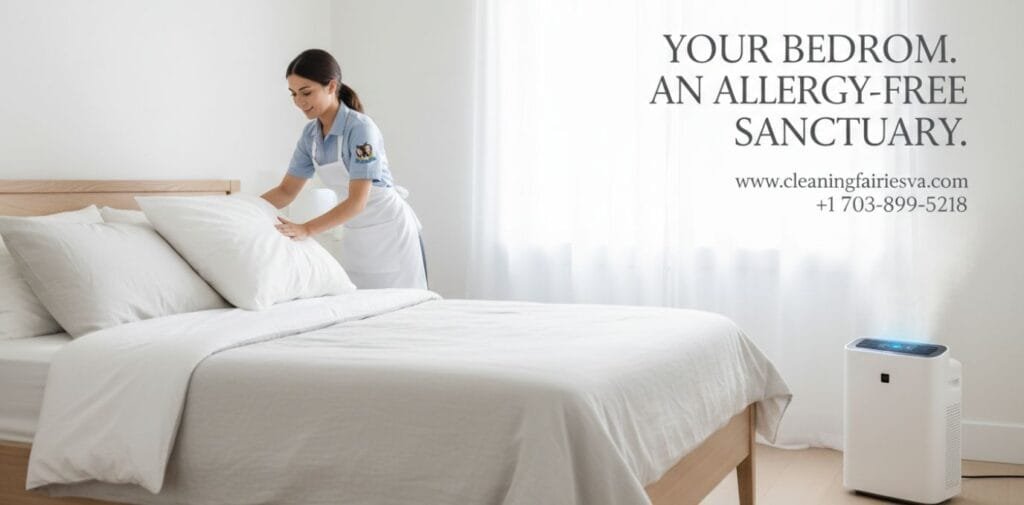
- Wash bedding weekly in hot water (≥130°F) to kill dust mites.
- Use hypoallergenic pillow and mattress covers to reduce allergen buildup.
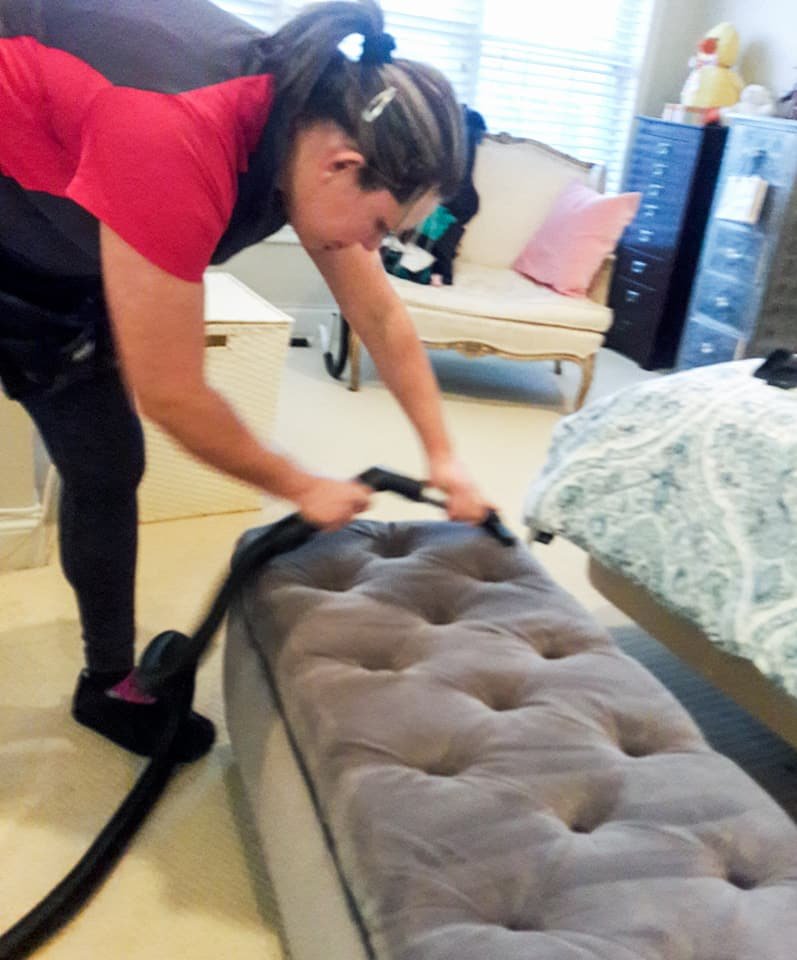
- Vacuum mattresses and upholstered furniture monthly.
- Rotate and expose pillows and cushions to sunlight when possible — UV rays help reduce bacteria and allergens.
Why it matters: Reducing allergens in your sleeping space can significantly decrease nighttime allergy symptoms and improve sleep quality.
5. Curtains, Blinds, and Window Treatments
Many people overlook window treatments as a source of allergens. Pollen from outside, dust, and pet hair can accumulate, especially on heavy drapes or fabric blinds.
Cleaning Tips:
- Wash curtains every 1–2 months or as needed.
- Dust blinds with microfiber cloths or use vacuum attachments.
- For heavy drapes, consider dry cleaning once or twice a year.
- Keep windows clean — dirt and pollen can cling to window sills and frames.
6. Pet Allergens: How to Reduce Their Impact
Pets are a major contributor to indoor allergens. Their fur and dander can exacerbate symptoms during summer.
Pet Cleaning Strategies:
- Brush pets outdoors daily to remove loose hair and pollen.
- Bathe pets regularly to reduce dander buildup.
- Vacuum pet areas frequently and wash pet bedding weekly.
- Keep pets out of bedrooms to reduce allergen exposure while sleeping.
Tip: Using HEPA air purifiers in rooms where pets spend most of their time can trap allergens and reduce airborne particles.
7. Kitchen and Bathroom: Hidden Allergen Hotspots
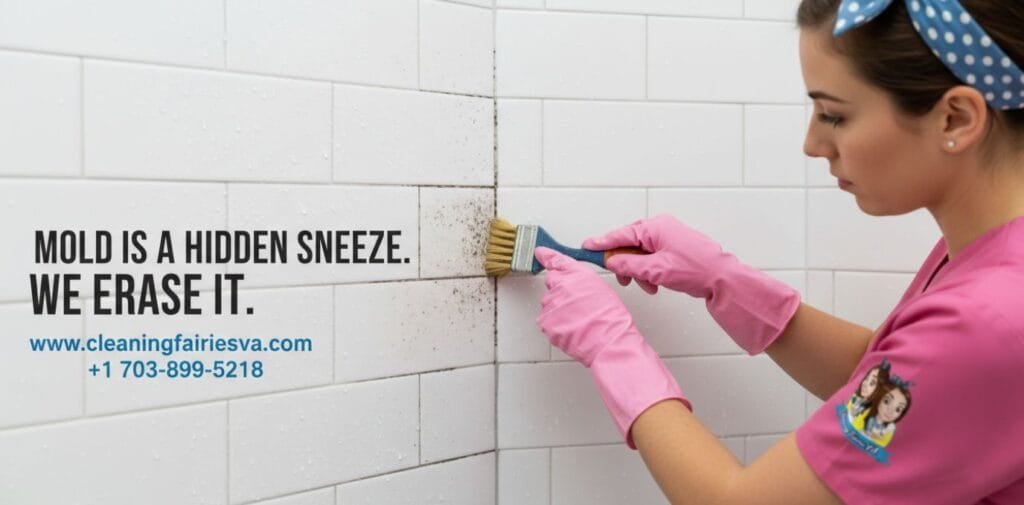
Kitchens and bathrooms might not seem like allergen hubs, but moisture can encourage mold and mildew growth, worsening symptoms.
Cleaning Tips:
- Wipe down counters, sinks, and faucets daily.
- Clean shower curtains, tiles, and grout weekly with mold-resistant solutions.
- Empty trash bins regularly and disinfect them to prevent bacterial growth.
- Ensure good ventilation to reduce humidity and prevent mold spores from spreading.
8. Seasonal Decluttering to Reduce Allergens
Clutter traps dust and allergens. Summer is a great time to declutter your home to make cleaning easier and more effective.
Decluttering Tips:
- Remove unused items, old clothes, and unnecessary furniture.
- Store seasonal items in sealed containers to prevent dust accumulation.
- Organize closets, pantries, and drawers to simplify cleaning routines.
Benefit: Less clutter means fewer places for allergens to hide, making your cleaning efforts more effective.
9. Regular Deep Cleaning: The Key to Long-Term Relief
Daily cleaning helps, but a seasonal deep cleaning can drastically reduce allergen buildup. Professional cleaners like Cleaning Fairies VA can:
- Deep clean carpets, rugs, and upholstery.
- Sanitize hard-to-reach surfaces, vents, and ducts.
- Apply allergen-reducing treatments to fabrics and floors.
- Educate homeowners on best practices to maintain a low-allergen environment.
10. Additional Tips for Allergy Relief at Home
| Tip | Benefit |
| Use HEPA air purifiers | Capture airborne allergens |
| Keep windows closed on high pollen days | Reduce indoor pollen exposure |
| Wash hands and face after being outdoors | Remove pollen before touching surfaces |
| Vacuum with attachments for corners & edges | Reduce dust in hidden spots |
| Maintain humidity levels at 40–50% | Prevent dust mites and mold growth |
Final Thoughts
Summer allergies can make your home feel uncomfortable, even when you think it’s clean. By focusing on air quality, dust removal, deep cleaning, and smart home maintenance, you can significantly reduce allergen exposure and enjoy a healthier, more comfortable home.
Cleaning Fairies VA helps homeowners in Northern Virginia tackle hidden allergens, maintain spotless spaces, and create a calm, low-allergen environment — making summer at home truly enjoyable.
FAQs
Daily surface cleaning, weekly vacuuming, and seasonal deep cleaning are ideal. Focus on high-traffic areas and bedrooms for maximum relief.
Yes, proper cleaning significantly reduces indoor allergens, but combining it with air filters, dehumidifiers, and minimizing outdoor pollen entry is most effective.
Absolutely. Professionals like Cleaning Fairies VA have specialized tools and techniques to remove hidden allergens that routine cleaning often misses.
Carpets, rugs, mattresses, bedding, curtains, air vents, and soft furniture are common hotspots for dust, pollen, and pet dander.
Yes. Pet dander is a major indoor allergen. Brushing pets outdoors, bathing regularly, and restricting bedroom access can reduce symptoms.