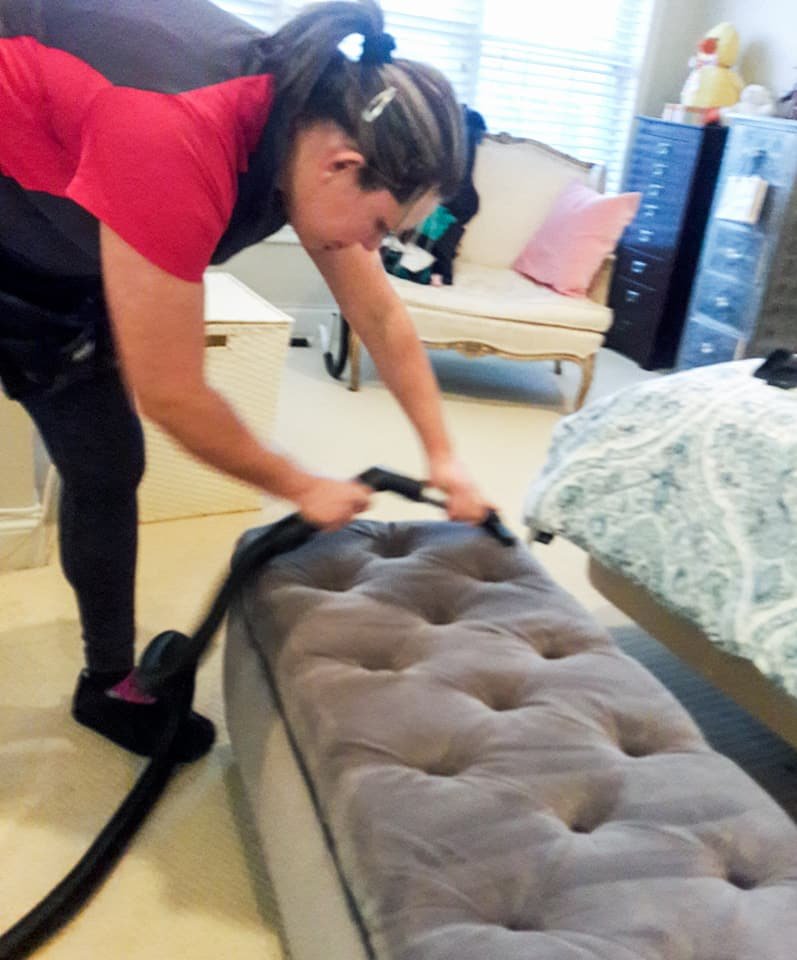

You clean one room.
It looks perfect.
Two days later… dust is back.
For homeowners in Fairfax VA, this is one of the most confusing and frustrating cleaning problems. Many people believe dust “appears” randomly. In reality, dust moves—quietly, constantly, and intelligently.
At Cleaning Fairies VA, we don’t just clean dust; we track how it travels. And once you understand that movement, everything about your home suddenly makes sense.
This guide explains how dust travels room to room in Fairfax VA homes, why it spreads faster here than in other areas, and how professional cleaning stops the cycle.
Why Fairfax VA Homes Are Especially Prone to Dust Movement
Fairfax homes face a perfect storm of conditions that allow dust to travel easily:
• Busy roadways (I-66, Route 50, Route 29)
• Constant foot traffic from commuting households
• Seasonal pollen and humidity
• HVAC systems running year-round
• Nearby construction and renovations
• Mixed home styles (townhomes, older homes, new builds)
Dust doesn’t just settle—it circulates.
Dust Is Not Static — It’s Mobile
The biggest misconception homeowners have is thinking dust falls and stays put.
In reality, dust behaves like smoke:
• It floats
• It rides air currents
• It clings to surfaces
• It gets re-lifted repeatedly
Every time you walk, sit, open a door, or turn on air conditioning, dust moves.
The Main Ways Dust Travels Between Rooms
1️⃣ Airflow From HVAC Systems
Your HVAC system is the primary dust highway in your home.
In Fairfax VA homes, HVAC systems:
• Run frequently due to seasonal changes
• Pull air from multiple rooms
• Redistribute microscopic particles
If dust enters one room, the system shares it with the entire house.
2️⃣ Foot Traffic and Daily Movement
Shoes, socks, and bare feet all act like dust transporters.
Every step:
• Lifts settled dust
• Pushes particles into the air
• Transfers debris to other rooms
Homes with kids and pets multiply this effect.
3️⃣ Doorways and Pressure Changes
Opening and closing doors creates mini pressure shifts.
That pressure:
• Pulls dust into hallways
• Pushes it into adjacent rooms
• Traps it in corners and edges
This is why dust collects around door frames and baseboards.
4️⃣ Furniture and Fabric Surfaces
Couches, rugs, curtains, and bedding are dust reservoirs.
They:
• Capture airborne dust
• Release it when disturbed
• Spread it when people sit or move
Vacuuming floors alone doesn’t stop this.
What Dust in Fairfax Homes Is Actually Made Of
Dust isn’t just dirt. In Fairfax VA, it’s a complex mix:
• Outdoor pollen
• Road dust
• Tire and brake particles
• Construction debris
• Dead skin cells
• Pet dander
• Fabric fibers
• Cooking residue
This combination makes dust sticky, not loose—harder to remove and easier to spread.
Why One Room Cleaning Never Works
Many homeowners clean room by room, thinking they’re “containing” dust.
But dust ignores room boundaries.
Example Scenario:
You deep-clean the living room.
The bedroom still has dust.
Airflow + foot traffic = dust returns to the living room.
Without whole-home strategy, dust always wins.
How Improper Cleaning Makes Dust Travel Faster
Ironically, some cleaning methods increase dust movement.
Common Mistakes
✖ Dry dusting
✖ Feather dusters
✖ Sweeping without capture
✖ Vacuuming without HEPA filters
These methods lift dust into the air, allowing it to re-settle elsewhere.
How Dust Moves Over Time (Simplified)
| Action | Dust Result |
| Walking through rooms | Dust lifted |
| Turning HVAC on | Dust redistributed |
| Opening doors | Dust shifted |
| Sitting on furniture | Dust released |
| Dry dusting | Dust spread |
This cycle repeats daily.
How Cleaning Fairies VA Stops Dust Travel
At Cleaning Fairies VA, we don’t chase dust—we interrupt its movement.
Step 1: Whole-Home Dust Mapping
We identify:
• Entry points
• High-lift zones
• Airflow paths
• Fabric-heavy areas
This allows targeted cleaning.
Step 2: Capture-Based Dust Removal
We use:
✔ Damp microfiber (not dry)
✔ HEPA-filter vacuums
✔ Electrostatic cloths
This traps dust instead of spreading it.
Step 3: Top-to-Bottom Cleaning Order
Dust falls downward.
Our order:
- Ceilings & vents
- Fans & fixtures
- Walls & frames
- Furniture
- Floors & baseboards
Skipping this order guarantees dust returns.
Step 4: Fabric & Upholstery Attention
Dust hides in:
• Sofas
• Mattresses
• Curtains
• Rugs
Removing dust from fabrics dramatically reduces room-to-room travel.
HVAC and Vent Cleaning: The Game Changer
In Fairfax homes, vents are the dust distribution system.
We focus on:
• Air return covers
• Vent edges
• Surrounding wall areas
This alone can reduce dust recurrence by 30–50%.
Health Effects of Moving Dust
When dust travels, it’s inhaled repeatedly.
This can cause:
• Allergy flare-ups
• Headaches
• Dry eyes
• Fatigue
• Poor sleep
Children and pets are most affected because they stay closer to floors.
The Psychological Effect of Constant Dust
Many homeowners describe:
• Feeling like cleaning “never ends”
• Frustration after just cleaning
• Stress before guests arrive
Stopping dust movement restores mental peace, not just cleanliness.
Fairfax Home Types Most Affected
• Townhomes with shared airflow
• Homes near busy roads
• Older homes with leaky seals
• Newly built homes with construction dust
• Homes with pets and kids
These homes require professional dust strategy, not surface cleaning.
What Homeowners Can Do Between Professional Cleanings
✔ Shoes-off policy
✔ Weekly microfiber wipe-downs
✔ HEPA vacuum use
✔ HVAC filter changes
✔ Decluttering fabric-heavy areas
But even with these steps, professional cleaning is essential.
Why Fairfax Homeowners Trust Cleaning Fairies VA
Cleaning Fairies VA understands:
• Fairfax traffic patterns
• Seasonal pollen cycles
• Construction zones
• Local home designs
We don’t use generic checklists.
We clean based on how dust actually moves.
Final Thoughts
Dust in Fairfax VA homes doesn’t appear randomly—it travels strategically.
Without understanding airflow, fabric storage, and daily movement, cleaning becomes a losing battle. But with professional strategies from Cleaning Fairies VA, dust stops spreading, air becomes cleaner, and homes stay fresh longer.
Clean isn’t about how it looks today.
It’s about how long it stays clean.
FAQs
Because dust is being redistributed from untreated rooms, vents, and fabrics.
Not completely. Without HEPA filtration and whole-home strategy, dust continues circulating.
Yes. Traffic, pollen, construction, and HVAC usage increase dust movement here.
They help with airborne particles but cannot remove settled dust on surfaces.
Weekly or bi-weekly cleaning works best after an initial deep clean.