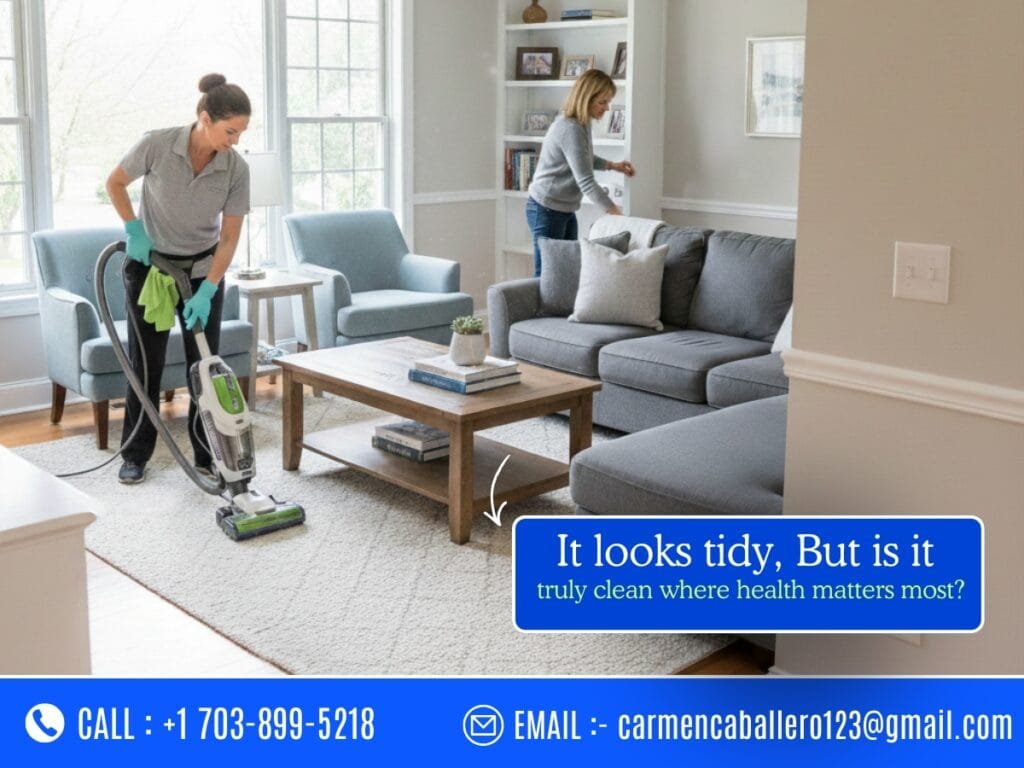
At first glance, a home can look perfectly fine. The couch cushions are straight. The floors are swept. The kitchen counter is clear. Guests walk in and say, “Wow, your place is so tidy.”
But here’s the reality many Northern Virginia homeowners don’t realize until health issues start appearing.
A tidy home is not the same as a truly clean home.
Across Fairfax, Chantilly, Leesburg, and surrounding Northern Virginia communities, countless homes appear neat while quietly harboring allergens, bacteria, and pollutants that affect daily health, energy levels, and long-term comfort. This invisible gap between “tidied” and “truly clean” is where many unexplained headaches, allergies, fatigue, and recurring illnesses begin.
This blog uncovers the hidden health gap, explains why it is especially relevant in Northern Virginia, and shows how professional house cleaning closes that gap in ways surface cleaning never can.
What “Tidied” Really Means in Most Homes
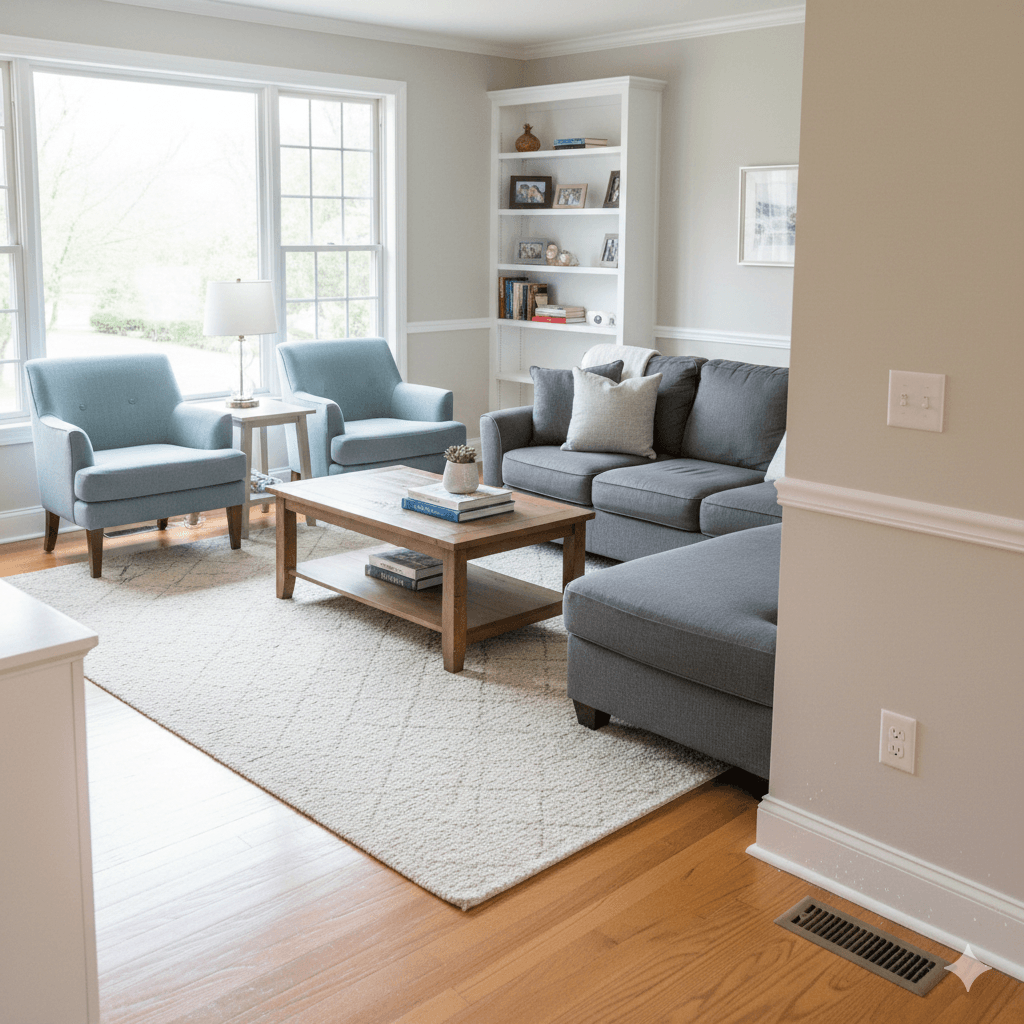
Tidying focuses on visual order, not hygiene.
A tidied home usually includes
• Items put away
• Floors swept or lightly vacuumed
• Surfaces wiped quickly
• Trash removed
• Beds made
Tidying is important. It reduces clutter and creates a sense of calm. But it does not address what lives beneath the surface.
Dust mites do not care if a room looks organized.
Bacteria thrive even when counters appear spotless.
Allergens remain embedded long after clutter is gone.
In Northern Virginia’s busy households, tidying becomes the default because it’s fast and fits into packed schedules. Unfortunately, it creates a false sense of cleanliness.
What “Truly Clean” Actually Means
A truly clean home focuses on health, not just appearance.
True cleanliness includes
• Removal of bacteria and allergens
• Deep cleaning of hidden areas
• Proper sanitation of high-touch surfaces
• Improved indoor air quality
• Long-lasting freshness
This level of cleaning cannot be achieved through quick wipe-downs or occasional vacuuming. It requires method, consistency, and professional tools.
In a truly clean home, the difference is felt more than seen. The air feels lighter. Allergy symptoms decrease. Surfaces stay cleaner longer. People feel better without always knowing why.
The Hidden Health Gap Explained
The health gap exists because tidying removes what you can see, while contaminants you cannot see continue to build.
This gap often leads to
• Persistent allergies
• Sinus congestion
• Skin irritation
• Headaches
• Fatigue
• Poor sleep quality
Many Northern Virginia families assume these issues come from stress, weather, or seasonal allergies alone. While those factors play a role, indoor cleanliness is often the missing link.
Why Northern Virginia Homes Are More Vulnerable
Northern Virginia presents unique conditions that make the tidy-versus-clean gap more severe.
Seasonal Allergens 🌸🍂
Pollen from trees, grass, and ragweed enters homes easily and embeds into carpets, furniture, and air ducts. Tidying does nothing to remove these allergens.
Humidity and Moisture 💧
Humidity encourages mold spores and bacterial growth, especially in bathrooms, basements, and kitchens.
Busy, High-Traffic Lifestyles 🚗
Hybrid work, children, pets, and frequent guests mean constant foot traffic. Contaminants are introduced daily.
Modern Home Layouts 🏡
Open floor plans and multi-level homes allow dust and allergens to circulate more freely through shared airspace.
Where Hidden Contaminants Live in “Clean-Looking” Homes
Some of the dirtiest places in a home rarely look dirty.
Common problem areas include
• Upholstered furniture
• Carpets and rugs
• Mattress surfaces
• Baseboards and trim
• Ceiling fans and vents
• Door handles and light switches
• Kitchen appliance handles
• Bathroom grout
These areas collect skin cells, pet dander, pollen, bacteria, and mold spores over time. Tidying never reaches them deeply enough.
The Health Impact on Families and Individuals
The health effects of living in a “tidy but not clean” home are subtle but cumulative.
Children may experience more frequent colds or allergy flare-ups. Adults often report fatigue, brain fog, or poor sleep. Pets contribute dander that stays trapped indoors, increasing allergen levels.
Over time, the body is constantly exposed to irritants. Even low-level exposure can weaken immune response and increase sensitivity.
This is why families often say, “We clean all the time, but something still feels off.”
Clean vs Truly Clean: A Clear Comparison
| Area | Tidied Home | Truly Clean Home |
| Floors | Swept or vacuumed | Deep-cleaned with HEPA filtration |
| Surfaces | Wiped | Disinfected properly |
| Furniture | Looks neat | Allergens removed |
| Air quality | Stale or dusty | Cleaner, fresher |
| Allergens | Still present | Significantly reduced |
| Health impact | Ongoing symptoms | Improved comfort |
This difference defines the health gap.
Why DIY Cleaning Often Falls Short
Most homeowners clean with the best intentions. The limitation isn’t effort—it’s tools and time.
Household vacuums lack HEPA filtration. Many cleaning products mask odors instead of neutralizing bacteria. Quick routines skip hidden areas because they are inconvenient.
Professional house cleaning uses methods specifically designed to remove, not redistribute, contaminants.
The Role of Professional House Cleaning in Closing the Gap
Professional house cleaning focuses on systematic health-based cleaning, not just surface shine.
Services typically include
• HEPA-filter vacuuming
• Deep carpet and upholstery care
• Sanitization of high-touch surfaces
• Bathroom and kitchen disinfection
• Baseboards, trim, and corners
• Eco-friendly, low-toxicity products
This approach reduces allergens, improves air quality, and creates lasting cleanliness.
Why “Feeling Better at Home” Matters More Than Appearance
Many Northern Virginia homeowners say the same thing after professional cleaning
“The house just feels better.”
That feeling comes from
• Fewer allergy symptoms
• Easier breathing
• Better sleep
• More energy
• Reduced stress
True cleanliness supports physical and mental wellness, not just aesthetics.
The Long-Term Cost of Ignoring the Health Gap
Living in a tidy-but-not-clean home can quietly cost more over time.
Costs include
• Increased medical visits
• Allergy medications
• Air purifiers and filters
• Frequent re-cleaning
• Premature wear on carpets and furniture
Professional cleaning often reduces these ongoing expenses by addressing root causes.
Why Northern Virginia Homeowners Are Shifting Expectations
Post-COVID awareness permanently changed how people view indoor health. Homeowners now expect cleanliness that protects wellness, not just appearance.
Professional house cleaning has shifted from a luxury to a health-supporting service.
Tidying + Professional Cleaning: The Best Combination
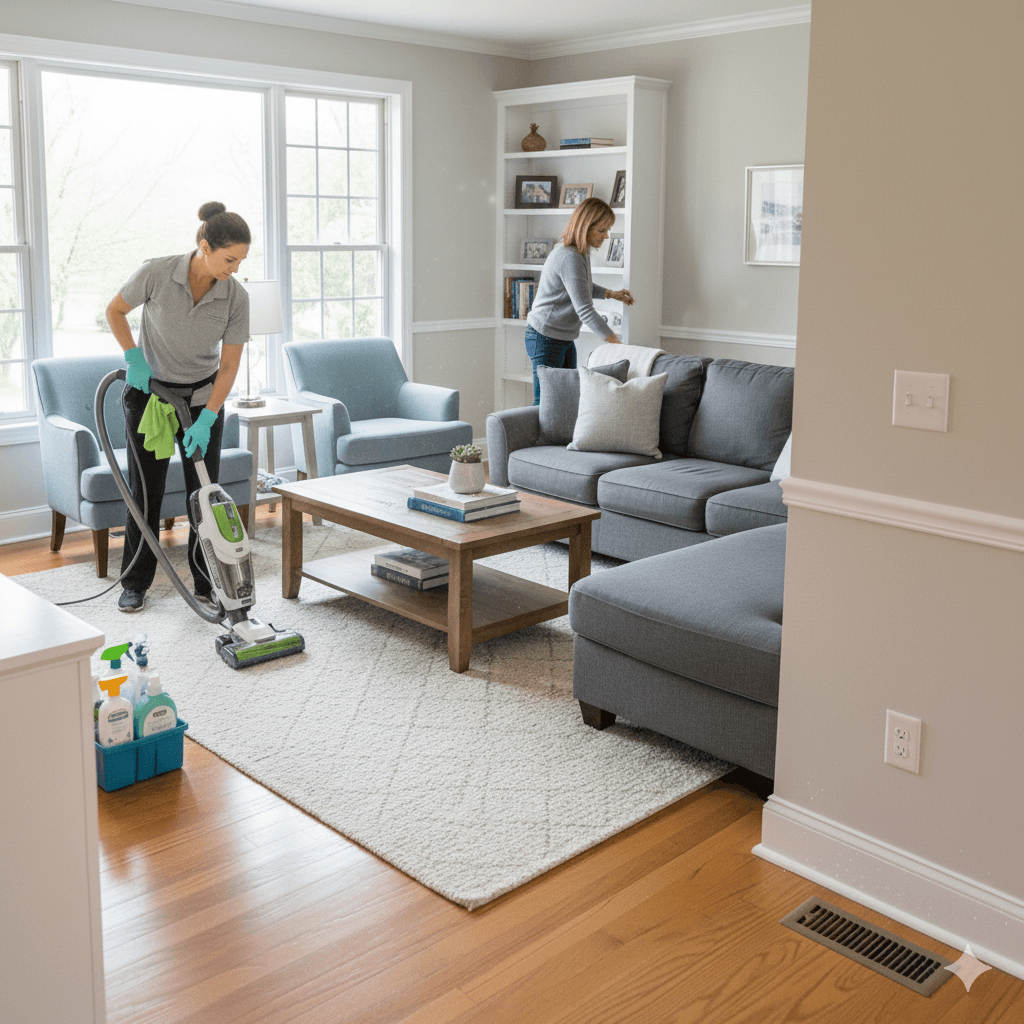
Tidying still has value. The healthiest homes combine
• Daily tidying for organization
• Professional cleaning for hygiene
This balance keeps homes both orderly and truly clean.
Final Thoughts
A tidy home looks good.
A truly clean home feels good.
In Northern Virginia, where allergens, humidity, and busy lifestyles collide, the difference matters more than ever. The hidden health gap between tidied and truly clean homes affects how people feel every single day.
Closing that gap isn’t about cleaning harder. It’s about cleaning smarter.
FAQs
No. Tidying helps with appearance but does not remove allergens or bacteria.
Most Northern Virginia homes benefit from bi-weekly or monthly professional cleaning.
Yes. Proper cleaning significantly reduces allergens in carpets, furniture, and air.
Yes, especially when eco-friendly products are used.
Yes. Deep cleaning removes buildup that causes dirt to return quickly.