If you live in Fairfax, you’ve probably tried this solution already:
“The house is dusty again… I’ll just vacuum more.”
At first, it feels logical. Dust on the floor? Vacuum. Dust on rugs? Vacuum again. Still dusty a few days later? Vacuum harder. Vacuum more often.
And yet, the dust always comes back.
At Cleaning Fairies VA, this is one of the most common frustrations we hear from homeowners across Fairfax, Chantilly, and Loudoun County:
“I vacuum constantly, but my home still feels dusty.”
Here’s the truth most people never hear:
In Fairfax homes, vacuuming more simply doesn’t solve ongoing dust problems.
Not because you’re doing it wrong—but because vacuuming addresses only a small part of a much larger system.
The Biggest Myth About Dust in Fairfax Homes
Most homeowners believe dust is something that:
- Settles on floors
- Comes from outside
- Can be “picked up” and removed
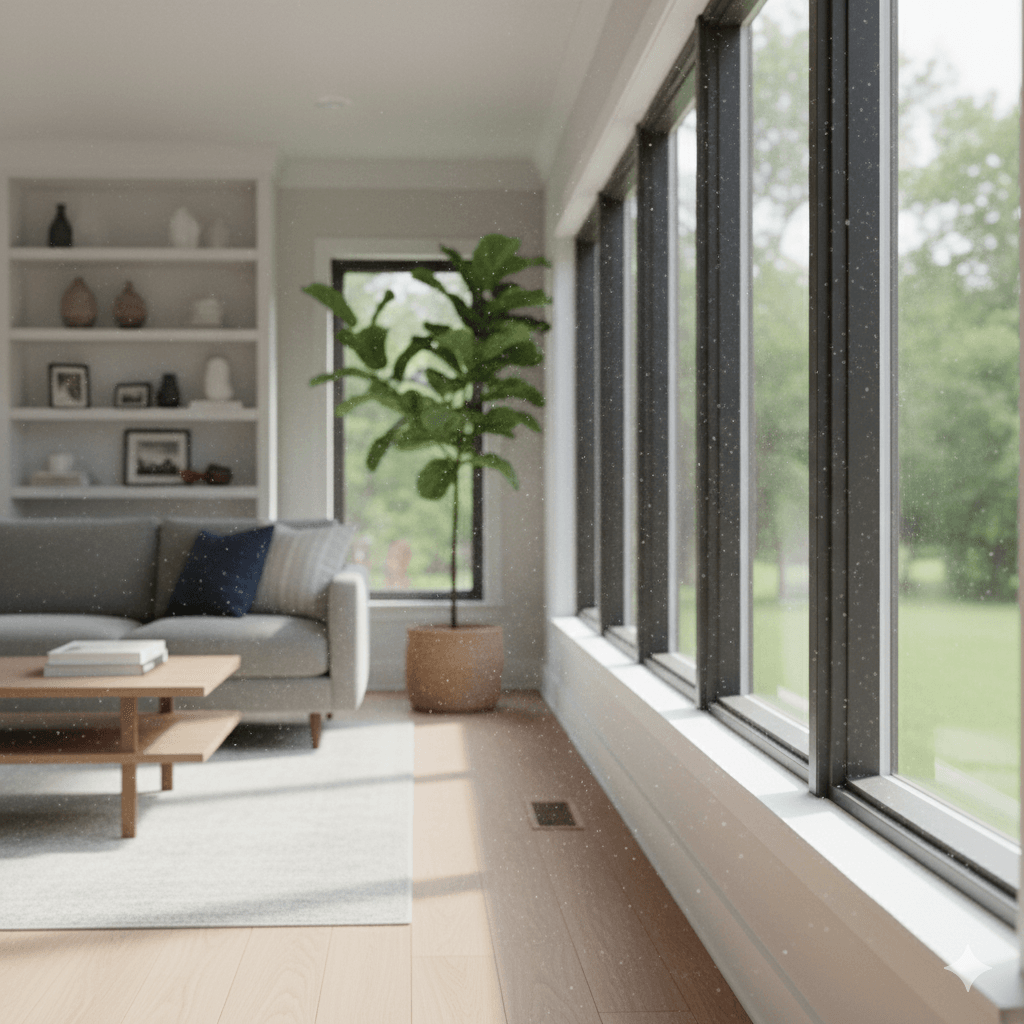
In reality, dust in Fairfax homes is:
- Airborne
- Recirculated
- Created indoors
- Redistributed daily
Vacuuming removes what has already settled—but most dust problems begin before dust ever touches the floor.
What Dust Really Is (And Why It Never Fully Goes Away)
Dust isn’t just dirt.
In Fairfax homes, dust is a mix of:
- Pollen (especially spring and fall)
- Skin cells (from people and pets)
- Fabric fibers
- Outdoor pollution
- Construction residue
- HVAC-carried particles
- Microscopic debris you can’t see
Much of this dust is lighter than air and stays suspended until airflow pushes it somewhere else.
That’s why you can vacuum today—and still see dust tomorrow.
Why Fairfax Homes Struggle With Dust More Than Expected
Fairfax homes face unique conditions that make dust harder to control.
1. Heavy Seasonal Pollen
Northern Virginia experiences intense pollen seasons. Even with windows closed, pollen enters through:
- Doors
- Shoes
- Clothing
- Pets
Once inside, it becomes part of household dust.
2. Sealed, Energy-Efficient Homes
Modern Fairfax homes are built to keep air in.
That means:
- Less natural air exchange
- More recirculated indoor air
- Dust stays inside longer
Your HVAC system becomes the main mover of dust.
3. Year-Round HVAC Use
Heating in winter. Cooling in summer. Fan circulation in between.
Every cycle moves dust again.
Why Vacuuming Targets the Wrong Stage of the Problem
Vacuuming happens after dust has already settled.
But most dust problems begin when:
- Dust is airborne
- Particles are redistributed through vents
- Airflow pushes debris into new areas
By the time you vacuum, the system has already done its work.
Vacuuming treats symptoms—not the cause.
The Truth About “High-End” Vacuums
Many homeowners upgrade their vacuum, expecting better results.
While better vacuums:
- Improve pickup
- Reduce re-release of dust
They still cannot:
- Stop airborne dust
- Prevent HVAC redistribution
- Remove residue buildup on surfaces
- Clean vertical and high-level dust zones
So the dust problem continues—just quieter.
Why Some Rooms Get Dusty Faster Than Others
If vacuuming worked, every room would stay clean equally.
But that’s not what happens.
Some rooms collect dust faster because of:
- HVAC vent placement
- Airflow pressure differences
- Room height and layout
- Furniture arrangement
- How often doors are opened
Bedrooms, hallways, bathrooms, and upper floors are especially vulnerable.
Vacuuming floors doesn’t affect dust landing on shelves, vents, walls, and fixtures.
The Hidden Dust Zones Most People Never Clean
At Cleaning Fairies VA, we focus on areas most homeowners never associate with dust problems:
- Top of door frames
- Above cabinets
- Air return areas
- Ceiling fan blades
- Window trim
- Light fixtures
- Baseboards
- Wall edges
Dust accumulates here first—then slowly falls back into the room.
Vacuuming the floor does nothing to stop this cycle.
HVAC Systems: The Quiet Dust Distributor
Your HVAC system doesn’t create dust—but it moves it constantly.
Here’s how:
- Dust becomes airborne
- HVAC pulls air through return vents
- Filters catch some particles (not all)
- Remaining dust travels through ducts
- Air blows back into rooms
- Dust settles again
Vacuuming interrupts step 6—but steps 1 through 5 continue daily.
Why Bathrooms and Bedrooms Suffer the Most
Bathrooms:
- Moisture makes dust stick
- Ventilation often inadequate
- Dust bonds with residue
Bedrooms:
- Long periods of still air
- Fabric fibers from bedding
- Skin cells released during sleep
These rooms often feel dusty again quickly—even after vacuuming.
The Role of Humidity in Fairfax Homes
Humidity makes dust problems worse.
Moist air causes:
- Dust to cling to surfaces
- Residue buildup
- Faster grime accumulation
That’s why Fairfax homes feel dusty and dull—not just dirty.
Why Dust Comes Back Faster Over Time
Many homeowners say:
“This never used to be this bad.”
That’s because dust problems compound.
Over time:
- Residue layers form on surfaces
- Rough surfaces attract more dust
- Cleaning products leave films
- Dust sticks more easily
Vacuuming doesn’t remove these layers—it cleans around them.
Why DIY Cleaning Eventually Stops Working
Early on, vacuuming feels effective.
But as residue builds:
- Dust clings harder
- Airborne particles settle faster
- Cleaning takes longer
- Results last shorter
This isn’t laziness or neglect—it’s physics and chemistry.
How Professional Cleaners Approach Dust Differently
At Cleaning Fairies VA, we don’t think of dust as a floor problem.
We treat it as:
- An airflow issue
- A surface texture issue
- A buildup issue
- A system-wide issue
That’s why professional cleaning makes homes feel cleaner longer—not just cleaner today.
What Makes Professional Cleaning More Effective
Professional cleaning focuses on:
- Removing dust before it falls
- Cleaning high-level surfaces
- Resetting airflow zones
- Removing residue layers
- Reducing future dust adhesion
This changes how dust behaves inside the home.
Why Vacuuming More Can Actually Make Things Worse
Over-vacuuming can:
- Stir dust into the air
- Redistribute fine particles
- Create false cleanliness
Without addressing airborne dust and residue, vacuuming becomes repetitive effort with diminishing returns.
When Vacuuming Is Still Useful (But Not Enough)
Vacuuming is important—but only as part of a larger strategy.
It works best when combined with:
- Deep surface cleaning
- High-level dust removal
- Residue elimination
- Airflow-aware cleaning
Alone, it cannot solve the problem.
Signs You’re Dealing With a Bigger Dust Issue
You may need professional help if:
- Dust returns within days
- Shelves get dusty faster than floors
- Air feels heavy after cleaning
- Allergies worsen indoors
- Cleaning takes more time each month
These are signs vacuuming alone can’t fix.
Why Fairfax Homes Benefit More From Deep Cleaning
Fairfax homes often have:
- Larger square footage
- Multiple HVAC zones
- Higher ceilings
- More surface area
All of these amplify dust circulation.
Deep cleaning restores balance.
What Homeowners Notice After Professional Cleaning

Clients of Cleaning Fairies VA often say:
- “The dust isn’t coming back as fast.”
- “The air feels lighter.”
- “Cleaning is easier now.”
- “The house stays fresh longer.”
That’s not magic—it’s system-level cleaning.
Final Thoughts
Dust doesn’t start on your floors.
It starts in the air.
It moves through your home.
It settles where conditions allow.
Vacuuming more treats the ending—not the beginning.
Once you understand how dust really behaves in Fairfax homes, the solution becomes clearer—and far less frustrating.
At Cleaning Fairies VA, we help homeowners stop fighting dust the hard way and start cleaning smarter.
FAQs
Because dust is airborne and recirculated through HVAC systems before settling again.
No. Vacuuming removes settled debris but not airborne or redistributed particles.
Yes. Pollen, sealed homes, and year-round HVAC use worsen dust circulation.
It helps reduce floor dust but cannot stop airborne dust or surface residue.
By removing residue layers and dust from high and hidden surfaces before it resettles.